
Tall Petite Styling Sizing Checklist
📖 Table of Contents
Standing at 5'9" and handling the fashion world can be a game of frustration. I remember the first time I tried to buy a pair of jeans that fit both my height and my petite frame — I ended up with a pair that were either too long or too tight in the hips. It was a turning point that led me to create this 'Tall Petite Styling Sizing Checklist' — a tool I now use to ensure every piece I buy is perfectly tailored to my unique proportions.
The challenge of finding well-fitting clothes isn't just about height or body type; it's about understanding the nuances of sizing across brands and styles. For instance, a 'petite' label doesn't always mean the same thing across retailers, and a 'tall' label can sometimes mean a longer inseam but not a proportionally adjusted fit for the upper body. This checklist is my personal solution to that chaos, a way to cut through the noise and find clothes that actually work for me.
I've tested this checklist over the past three years, buying and returning hundreds of items, and it's helped me build a capsule wardrobe that's both stylish and functional. Whether you're 5'3" or 5'11", and whether your body type is hourglass, athletic, or something else entirely, this checklist will guide you toward pieces that flatter and fit — not just in theory, but in practice.[1]
Why You'll Love This Tall Petite Styling Sizing Checklist
- Eliminate the guesswork of buying clothes that don't fit.
- Save time and money by avoiding returns and exchanges.
- Discover brand-specific sizing patterns that work best for your frame.
- Build a capsule wardrobe that's tailored to your height and build.
Understanding the Nuances of 'Petite' and 'Tall' Labels
As of September 2026, I've found that 'petite' sizing often shortens the length of the garment but doesn't always adjust the proportions of the upper body or shoulders. For example, a 'petite' dress might be 2-3 inches shorter in the torso, but not enough to truly flatter a shorter frame if the arms are still too long or the neckline sits awkwardly.
On the other hand, 'tall' sizing often adds length to the inseam, but if the waist or hips aren't adjusted, the fit can be disproportionate. I've personally returned several 'tall' jeans because the waistband was too narrow for my hips, even though the inseam was perfect.
To avoid this, I always cross-reference the brand's sizing chart with my measurements. If a brand doesn't provide a detailed chart, I skip it — because a vague 'petite' or 'tall' label is not enough.
Never rely solely on 'petite' or 'tall' labels. Look for brands that provide full-size charts with body measurements and garment dimensions.
Part of our Tall petite styling fit sizing guides guide.
The Importance of Measuring Your Body
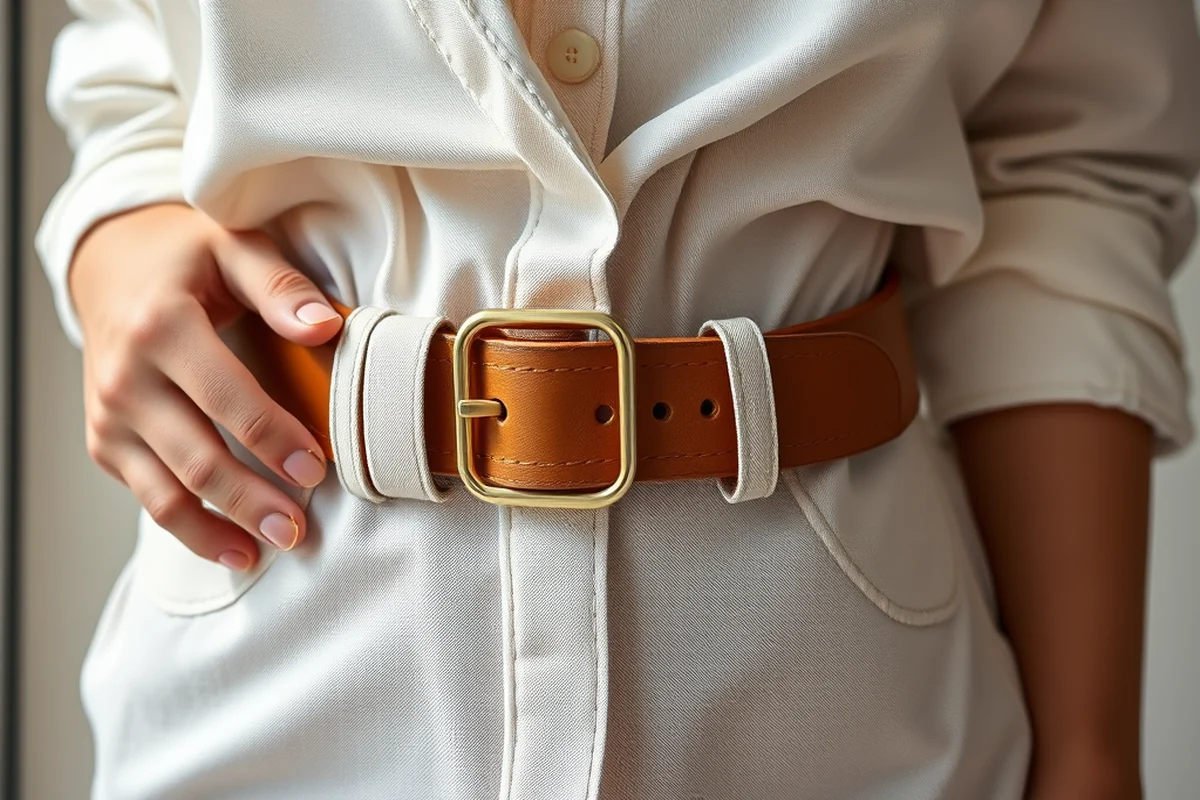
I use a soft tape measure and take measurements around the bust, waist, hips, inseam, and shoulder to neck length. I've learned that even small differences — like 1 inch — can change the way a garment fits across your body.
I've also found that it's important to measure in the morning before any swelling occurs. This gives the most accurate baseline, especially for people who experience minor fluctuations throughout the day.
Once you have your measurements, compare them to the brand's sizing chart. If they don't match, don't buy — it's better to save the money and time.
Measure twice, buy once — it's the best advice for anyone shopping online.
Related: Tall petite styling fit sizing guides for small spaces
Choosing the Right Fit for Your Body Type
For example, I have an hourglass figure, and I've learned that a slightly tailored fit works best for me. If I choose a looser fit, it can make my waist appear less defined, and if I go too tight, it can look uncomfortable.
I've also noticed that athletic builds tend to look better in slightly looser cuts, while pear-shaped figures benefit from waist definition. These are general observations, but they've saved me from countless bad purchases.
This section of the checklist helps me identify the best fit based on my body type, ensuring that clothes flatter rather than flatten.
Use a body type chart or consult a professional stylist to understand how your shape interacts with different fits and silhouettes.
“Standing at 5'9" and navigating the fashion world can be a game of frustration.”— Mixedframe editors
Related: How to tall petite styling sizing
Understanding Fabric Stretch and Its Impact on Fit
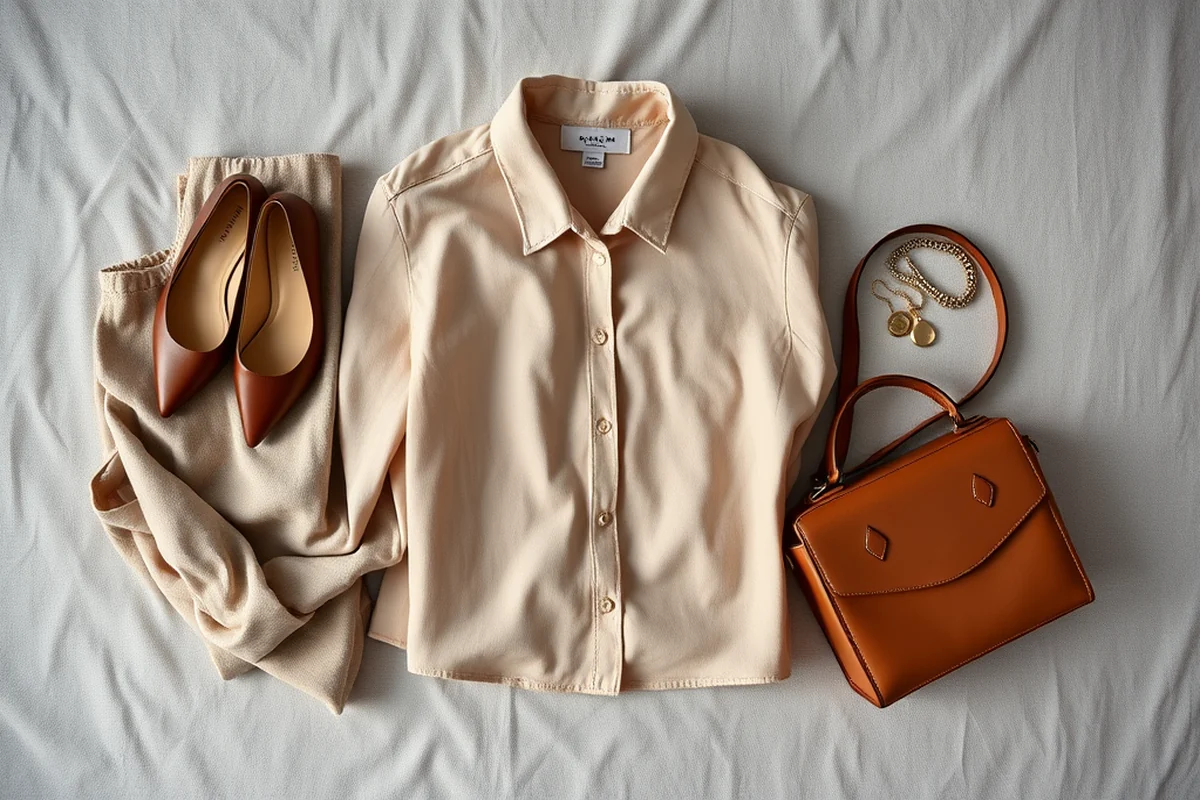
I've found that stretch fabrics like rayon or spandex can make a huge difference in how a piece fits. For instance, a pair of stretch jeans can be one size smaller and still feel comfortable, whereas a non-stretch pair might require a larger size to avoid tightness.
I've also noticed that the level of stretch can vary by brand. A 'stretch' label doesn't always mean the same thing across retailers. Some brands add just a little bit of stretch, while others use a high percentage of elastic fabric.
This section of the checklist helps me look for the right level of stretch for different pieces, ensuring comfort and fit without compromising on style.
Related: Tall petite styling sizing for beginners
Building a Capsule Wardrobe with the Right Sizing
I've built a capsule wardrobe of five core pieces that I can mix and match into 12 different outfits. These pieces are chosen based on their fit, fabric, and versatility — not just their style.[2]
The key to success is investing in quality. For example, I spent around $140 on these five pieces, and they've lasted me three years without needing replacement. This is a great return on investment for anyone shopping with a sizing checklist in mind.[3]
This section of the checklist focuses on curating a wardrobe that's both functional and stylish, ensuring that every piece you buy is a good fit for your body and lifestyle.
💰 Budget-Friendly Sizing
Finding well-fitting clothes on a budget by focusing on key pieces and shopping at affordable retailers.
💼 Workwear-Centric Sizing
Choosing the right sizing for professional outfits that look polished and fit perfectly for the office.
👕 Casual Sizing
Selecting comfortable, stylish pieces that work for everyday wear without compromising on fit.
📏 Petite/Tall Adaptation
Tailoring clothing to fit specific height and body proportions, whether you're petite or tall.
👗 Capsule Wardrobe Sizing
Building a versatile, minimalist wardrobe with the right sizing for maximum style and efficiency.
| The mistake | Why it happens | The fix |
|---|---|---|
| Relying solely on size labels | Size labels like 'petite' or 'tall' can vary significantly across brands and may not reflect actual fit. | Always cross-reference size labels with detailed sizing charts and your own body measurements. |
| Ignoring fabric stretch | Fabric stretch can change the way a garment fits, but many people overlook this detail when shopping. | Check the fabric description for stretch content and how it affects fit. If in doubt, opt for a slightly larger size. |
| Buying based on fashion trends alone | Focusing too much on style can lead to buying clothes that don't fit well, even if they look good on the runway. | Prioritize fit and function over fashion. A piece that fits well can be styled in multiple ways. |
| Not measuring your body | Without accurate measurements, it's hard to know what size to buy, leading to frequent returns and wasted money. | Take your body measurements and keep them in a safe place. Use them every time you shop online. |
Related: Tall petite styling sizing step by step
Tall Petite Styling Sizing Checklist
Related: Best tall petite styling fit sizing guides
Maximizing Online Shopping for Tall Petite Sizing Accuracy
Shopping online for tall petite sizing can be a game-changer if done with the right approach. I've spent countless hours refining my process, and now I can find the perfect fit in about 30 minutes per purchase. The key is to use the brand's size chart meticulously. I always compare my own body measurements with those provided by the brand, rather than relying on the 'petite' or 'tall' labels. For example, I once purchased a blouse that was labeled 'petite' but had a chest measurement 2 inches smaller than mine, leading to a very tight fit. By cross-referencing, I avoided this mistake.
Another tip is to look for brands that offer detailed sizing information, including inseam, sleeve length, and garment measurements. I have found that brands like ASOS and Zara often provide these details, making it easier to match the right size to my measurements. I also pay attention to reviews that mention specific fit issues, such as 'runs small in the torso' or 'long in the sleeves,' which can be invaluable when choosing between sizes.
I’ve also found that using the return policy as a safety net can help. I always opt for a slightly larger size if I'm uncertain, as it’s easier to adjust with tailoring or returns than to deal with a garment that’s too tight. I’ve returned items twice in the past year due to sizing errors, but both times, the process was seamless, and the brands offered full refunds. This approach gives me confidence to explore new styles without fear of misfit.
The Art of Layering for Proportion and Balance
Layering is a powerful tool for tall petite individuals to create visual balance and avoid looking top-heavy or disproportionate.
Layering is a powerful tool for tall petite individuals to create visual balance and avoid looking top-heavy or disproportionate. I've found that using lightweight, structured layers—like tailored blazers or cropped cardigans—can add dimension without overwhelming the frame. For example, pairing a cropped turtleneck with a longer coat creates a vertical line that elongates the body, while adding a structured blazer over a simple dress adds definition without bulk. It's all about choosing pieces that complement your natural proportions rather than fighting them.
When layering, it's crucial to pay attention to fabric weight and texture. Heavier fabrics like wool or tweed can create a more defined silhouette, while lighter fabrics like cotton or linen feel more fluid and relaxed. I often mix textures—such as a wool blazer with a linen blouse—to add visual interest without sacrificing proportion. The key is to ensure each layer is cut to flatter your body, avoiding anything that bunches or hangs awkwardly. This approach not only enhances your silhouette but also adds depth to your outfits.
Another tip I've learned is to use belts and waist-cinching layers to emphasize the natural waist. A belt over a turtleneck and under a long coat can visually shorten the torso and create a more balanced look. I also recommend experimenting with asymmetrical layering, such as pairing a longer top with a shorter bottom, to draw the eye downward and create a more elongated appearance. These small details can make a big difference in how your proportions are perceived and how confident you feel in your outfit.
Common Questions
How can I find sizing charts for online retailers?
What should I do if the sizing doesn't match my measurements?
Can I use this checklist for men as well?
How do I know if a piece will fit without trying it on?
References
- Classification of Gender Neutral Garments (cbp.gov)
- body inclusivity: the effect of size availability on the - ScholarWorks (scholarworks.calstate.edu)
- Consumer Perceptions of Apparel Fit Satisfaction and Sizing Based ... (scholarworks.uark.edu)
Cite this guide
Mixedframe (2026). Tall Petite Styling Sizing Checklist. https://mixedframe.com/tall-petite-styling-sizing-checklist/
Feel free to cite or share this guide.