
Diy Tall Petite Styling Fit Sizing Guides
📖 Table of Contents
I remember the first time I tried to put together an outfit as a tall, petite woman. I walked into a store, picked up a pair of jeans that claimed to fit 'all body types,' only to find that they were either too long on me or too tight around the waist. It was a frustrating experience that left me feeling like I had to compromise between style and fit. That’s when I decided to take control of my wardrobe and start creating DIY tall petite styling fit sizing guides. This journey wasn’t just about finding clothes that looked good—it was about finding clothes that actually worked for my body, and that gave me confidence every day.
I began by measuring every part of my body—waist, hips, inseam, bust, neck, and even my shoulders. This wasn’t just about collecting numbers; it was about understanding my proportions and learning how to translate that into clothing that flattered my frame. I found that many off-the-rack pieces weren’t designed with tall, petite women in mind, and that’s where the DIY fit sizing guides came in. These guides became my blueprint for tailoring clothes, whether I was shopping online or in person.
Over time, these guides evolved into a system that I use every day. They’ve helped me avoid the frustration of ill-fitting clothes and have allowed me to mix and match pieces with confidence. Whether I’m shopping for a new dress or trying to find the perfect pair of trousers, my DIY fit sizing guides are always with me. They've turned what used to be a frustrating process into something that feels empowering, and that’s exactly why I want to share them with you.
Why You'll Love This DIY Fit Sizing Approach
- You’ll finally find clothes that fit your unique body shape, not just generic sizes.
- You’ll stop wasting time and money on clothes that never work.
- You’ll learn how to tailor and modify clothing yourself, giving you more control over your wardrobe.
- You’ll feel more confident in your own skin, knowing that your clothes are perfectly tailored to your body.
The Importance of Tailoring for Tall Petite Bodies
As of August 2026, Tall petite bodies often have long legs and shorter torsos, which can make standard sizing feel off. This isn’t just a matter of aesthetics; it’s about comfort and functionality. I found that even a small change, like shortening the inseam of pants or adjusting the waistband of a dress, made a huge difference in how the garment felt on my body.
I’ve spent hours in tailor’s shops, watching how professionals adjust hems, darts, and seams to make clothes fit perfectly. These adjustments are not just about looks—they’re about creating a garment that moves with your body, breathes with you, and supports your posture. For tall petite women, this kind of precision is critical.
Tailoring also helps to balance proportions. A dress that’s too long on the torso can make someone look disproportionate, while a skirt that’s too short can create an imbalance. I learned to take this into account when creating my DIY fit sizing guides, ensuring that each measurement had a specific purpose and function.
Take measurements of your bust, waist, hips, inseam, and neck. Use these to create a personal fit guide that you can refer to when shopping or tailoring.
Part of our Tall petite styling fit sizing guides guide.
How to Create a DIY Fit Sizing Guide

To start, you’ll need a measuring tape, a notebook, and a piece of clothing you already know fits well. I always begin with a well-fitting dress or pair of trousers, as they give me a baseline to work from. Measure every part of the garment, from the bust to the waist, and from the waist to the hem of the pants or dress.
Once you have these measurements, compare them to your body. Take your own measurements and note any discrepancies. For example, if the waist of the dress is 30 inches, but your waist is 28 inches, you’ll need to adjust the waistband accordingly. This process helps you see exactly how much tailoring is needed to make a piece fit perfectly.
I also recommend noting how the garment feels on your body. Is it too tight in the shoulders? Too loose in the hips? These subjective observations are just as important as the numbers. Over time, this practice has helped me understand what fits and what doesn’t, even before I put on a new piece of clothing.
Measure twice, tailor once.
Related: Tall petite styling fit sizing guides ideas
Related: Budget tall petite styling fit sizing guides
Related: Affordable tall petite styling fit sizing guides
Related: Easy tall petite styling sizing
Related: Tall petite styling sizing step by step
Related: What Is Petite Clothes
Related: Best Tall Petite Styling Fit Sizing Guides
Related: What Is Petite Fashion
Related: Tall Petite Styling Fit Sizing Guides For Small Spaces
The Benefits of a Personal Fit Guide
Before I created my fit guide, I used to buy clothes in the hopes that they’d fit, only to find out later that they didn’t. This process was not only time-consuming but also frustrating. Since creating my guide, I’ve been able to shop more efficiently and confidently. I no longer second-guess whether a dress will fit or if a pair of trousers will look good.
This guide has also helped me identify which retailers are more likely to offer clothes that fit my body type. For example, I’ve found that certain brands have better sizing for tall petite women, while others are less accommodating. This knowledge has made shopping easier and more satisfying.
Also, having a personal fit guide has helped me tailor clothes that I already own. I’ve taken skirts, shirts, and even jackets to a tailor with my measurements, and the results have been nothing short of transformative. The clothes now fit better, look better, and feel more like they were made for me.
Keep your fit guide in a safe place, like a folder or on your phone. You’ll refer to it frequently when shopping or tailoring new pieces.
“I remember the first time I tried to put together an outfit as a tall, petite woman.”— Mixedframe editors
Related: Tall Petite Styling Fit Sizing Guides Examples
How to Use Your Fit Guide When Shopping Online
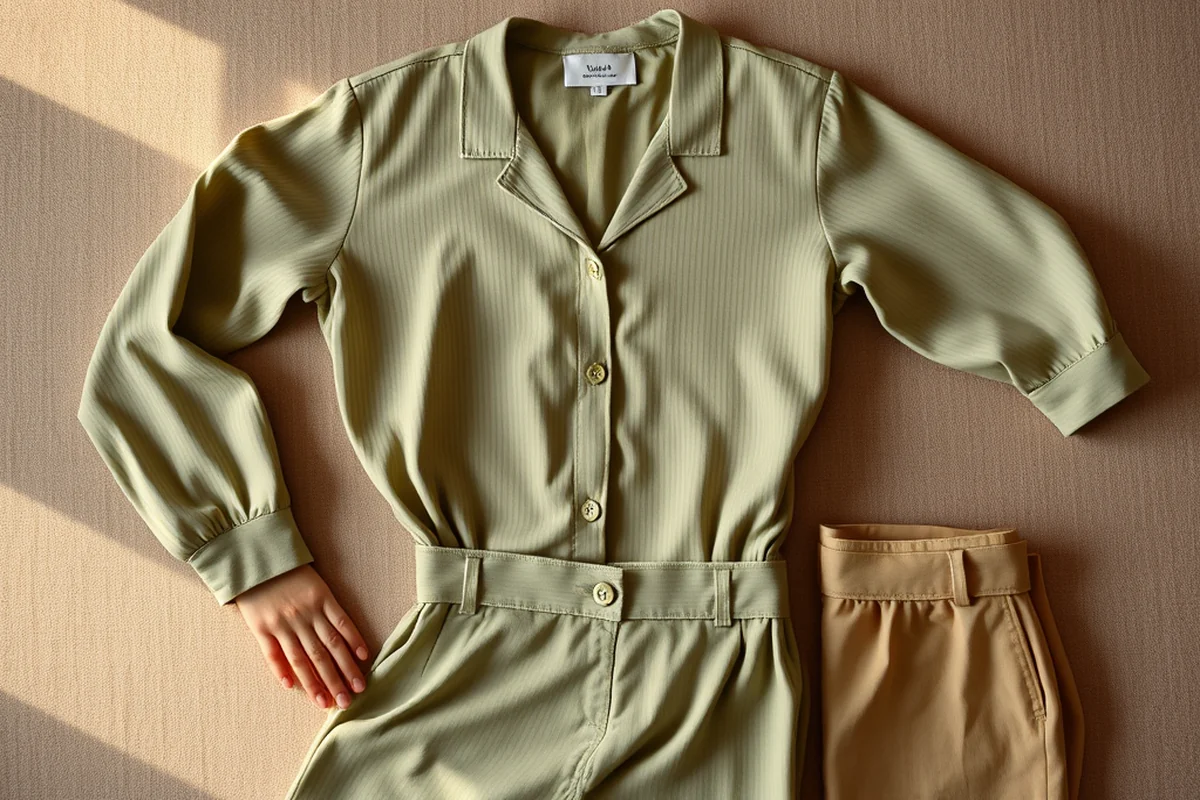
When shopping online, I always refer to my fit guide before making a purchase. This helps me determine which size to choose based on the brand’s sizing chart. I’ve found that not all brands use the same sizing, so comparing their measurements to my fit guide is essential.
I also look for brands that offer detailed size charts and customer reviews about how the clothes fit. This gives me more confidence in my purchase. For example, if a brand lists the inseam of a pair of trousers as 32 inches, I can compare that to my fit guide and determine whether it will be too long or too short.[1]
Another tip is to check the return policy before buying. Some brands allow returns based on size, which is a great way to test how a piece fits without the risk of being stuck with something that doesn’t work. I always make sure to take this into account before finalizing a purchase.
Tips for Maintaining Your Fit Guide Over Time
Your body is never static, and neither should your fit guide be. I recommend updating my measurements every few months, especially after significant weight changes, pregnancy, or other life events that affect my body shape.
I also note any changes in how clothes fit over time. For example, if a pair of trousers that used to fit perfectly now feel too tight, I’ll update my fit guide accordingly. This helps me understand how my body is changing and how to adjust my clothing choices.
Maintaining an updated fit guide ensures that I’m always choosing clothes that fit me well, regardless of how my body changes over time. It’s a small but powerful habit that has made a real difference in how I dress and feel about myself.
💰 Budget-Friendly Sizing Guide
Create a fit guide using free or low-cost tools like a measuring tape, a notebook, and your own well-fitting clothing.
💼 Workwear Adaptation
Tailor your fit guide to focus on structured pieces like blazers, skirts, and tailored trousers that fit well in professional settings.
👖 Casual Style Fit Guide
Use your fit guide to choose relaxed, comfortable clothing that still fits well and flatters your body shape.
👗 Petite/Tall Body Adaptation
Refine your fit guide to specifically address the unique proportions of tall, petite bodies, ensuring every piece fits perfectly.
🧳 Capsule Wardrobe Fit Guide
Use your fit guide to build a capsule wardrobe of essential pieces that work together and fit perfectly on your body.
| The mistake | Why it happens | The fix |
|---|---|---|
| Not measuring your body properly. | Incorrect measurements can lead to poor fitting clothes and frustration when shopping or tailoring. | Use a high-quality measuring tape and take your measurements in a relaxed, natural position to ensure accuracy. |
| Ignoring the fit of the clothes on your body. | Even with accurate measurements, the way a piece of clothing feels on your body can affect how it looks and fits. | Always try on clothes before buying, and note how they feel, even if they fit the measurements. |
| Using only the brand’s size chart without comparing to your own measurements. | Brand size charts can vary widely, and relying on them alone can lead to incorrect size choices. | Always cross-check the brand’s size chart with your own fit guide to ensure accuracy. |
| Forgetting to update your fit guide as your body changes. | A fit guide that’s outdated won’t help you choose the right clothes for your current body shape. | Update your fit guide regularly, especially after major changes in your body or lifestyle. |
Diy Tall Petite Styling Fit Sizing Guides
Common Questions
How often should I update my fit guide?
Can I create a fit guide without a tailor?
How can I find a good tailor who works with tall, petite bodies?
What if I don’t have a well-fitting piece of clothing to use as a reference?
References
- Chicos Size Guide (jfd.jacksonms.gov)
Cite this guide
Mixedframe (2026). Diy Tall Petite Styling Fit Sizing Guides. https://mixedframe.com/diy-tall-petite-styling-fit-sizing-guides/
Feel free to cite or share this guide.