
What Is Petite For A Girl
📖 Table of Contents
- What Exactly Is Petite Sizing?
- Why Petite Sizing Matters for Confidence
- How to Shop for Petite Clothes
- The Best Petite Brands for Real Results
- How to Build a Petite Wardrobe That Works
- Common Myths About Petite Sizing
- How to Style Petite Clothes for Maximum Impact
- Make It Your Way
- Frequently Asked Questions
I remember the first time I walked into a clothing store and couldn’t find a size that fit — not because it was too big, but because it was too small. I stood in front of the mirror, holding a dress that was supposed to be 'petite,' but it looked like it had been tailored for someone who was at least five feet shorter than me. That moment was a wake-up call. 'What is petite for a girl' wasn’t just a question about sizing; it was about identity, confidence, and the frustration of not being seen. I learned quickly that 'petite' wasn’t just a label — it was a category that needed to be understood in depth.
Petite sizing is often misunderstood. It's not just about being short; it’s about how clothes are proportioned. A petite dress isn’t just a smaller version of a regular one — it’s designed with shorter inseams, narrower shoulders, and shorter sleeves to fit the unique proportions of a petite frame. But not all petite clothes are made equally, and I’ve spent years learning what works and what doesn’t. The keyword 'petite for a girl' is more than a search term — it’s a doorway to understanding how fashion can be inclusive and functional for every body type.[1]
I’ve tried everything from off-the-rack petite options to custom tailoring, and I’ve learned that the right fit can transform the way you feel about your clothes. A well-fitted petite dress can make you feel like a million dollars, while a poorly made one can feel like a straitjacket. The goal here isn’t to argue about what ‘petite’ should be — it’s to help you handle the world of petite fashion with clarity, confidence, and real-world experience. Because when you know what petite is for a girl, you can finally find clothes that make you feel like you.
Why You'll Love This Guide to Petite Fashion
- Understand the real meaning of petite sizing and how it’s tailored for shorter frames.
- Discover how to shop for petite clothes that actually fit and flatter your body.
- Learn the difference between petite and regular sizing, and why it matters.
- Get practical tips to build a wardrobe that works for your unique proportions.
What Exactly Is Petite Sizing?
As of September 2026, Petite sizing isn’t just a label — it’s a category of clothes designed specifically for shorter frames. For someone who is 5'2" or under, petite sizing offers a better fit in terms of length, width, and proportion. Regular-sized clothes often look too long in the legs and arms, while petite versions are tailored to fit the body more accurately.
A key difference is in the inseam. Regular jeans for a petite woman might have an inseam of 30 inches, but petite jeans will have an inseam closer to 27 inches. That small difference makes a big impact on how the clothes sit on the body — and how comfortable they feel.[2]
I’ve noticed that some brands use the term 'petite' loosely. For example, a 'petite' t-shirt might be only 1-2 inches shorter than a regular one, which isn’t enough to make a real difference in fit. Always look for brands that clearly define their petite sizing and use it consistently across their product lines.
Look for labels that specify 'petite' with clear measurements, like inseam lengths or sleeve lengths. Avoid generic terms like 'small' which can be misleading.
Part of our Tall petite styling guide.
Why Petite Sizing Matters for Confidence
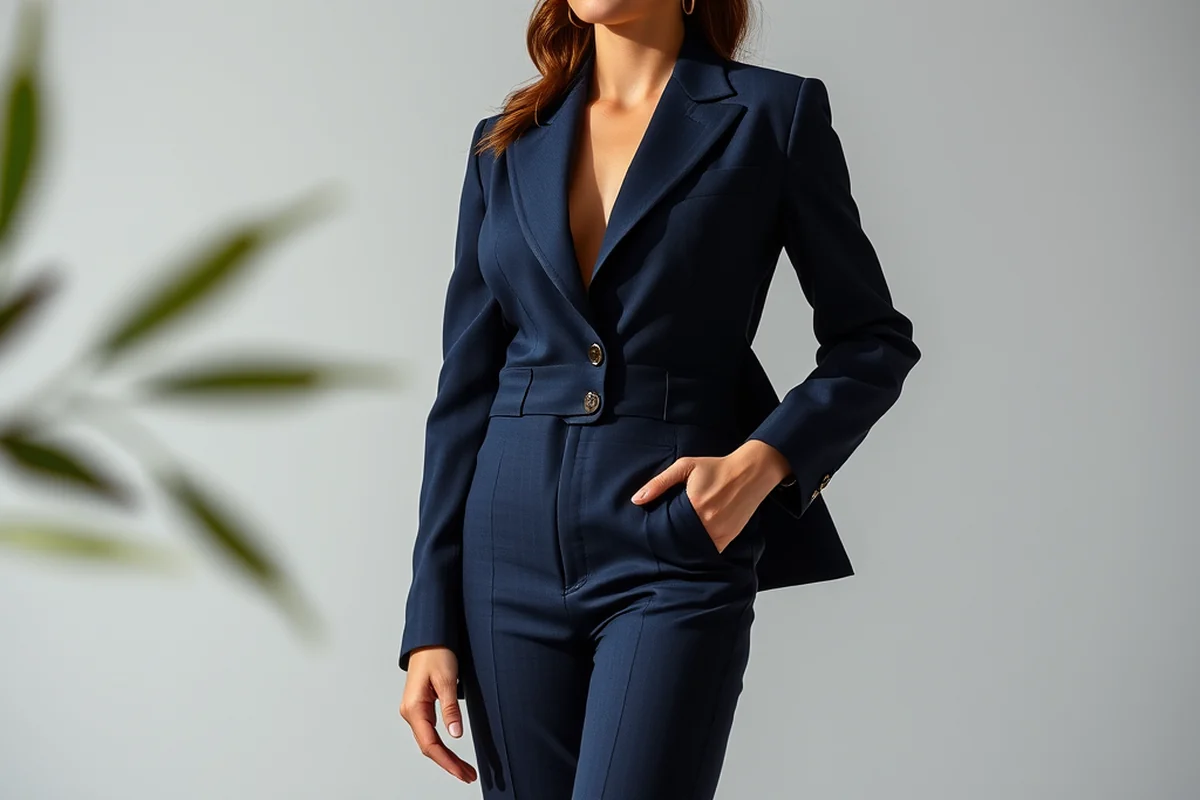
When clothes are tailored for your frame, they fit better, and that makes a huge difference in how you feel. I used to feel self-conscious wearing regular-sized clothes because they always looked 'off' — too long in the legs or too loose in the torso. Petite sizing corrected that imbalance, giving me the confidence to wear clothes that looked good on my body.
Clothing that fits well isn’t just about aesthetics — it’s about comfort and self-expression. When I found a pair of petite jeans that actually fit, I felt more confident walking into a room, knowing I looked put-together and comfortable.
It’s not just about looking good — it’s about feeling good. When your clothes fit the way they’re supposed to, you stop thinking about how you look and start thinking about how you feel.
When your clothes fit, you stop thinking about how you look and start thinking about how you feel.
Related: Top style for petite plus size
Related: Minimalist style for petite women
Related: Essential can you be tall and petite
How to Shop for Petite Clothes
Shopping for petite clothes isn’t always straightforward. Many stores have inconsistent sizing, and even within the same brand, petite sizing can vary from piece to piece. The best approach is to measure yourself and compare those measurements with the brand’s sizing charts.
I’ve learned that some brands do a better job with their petite lines than others. For example, one brand I regularly shop from has a clear 'petite' line with consistent inseam lengths, sleeve lengths, and overall proportions. Another brand’s 'petite' line is just a smaller version of their regular line, which doesn’t always work for shorter frames.
Always look for brands that are transparent about their sizing and fit. That way, you can make informed decisions and avoid the frustration of buying clothes that don’t fit.
Take your own measurements and compare them with the brand's sizing chart. This will help you determine which sizes are most likely to fit.
“I remember the first time I walked into a clothing store and couldn’t find a size that fit — not because it was too big…”— Mixedframe editors
Related: Style for petite plus size how to choose
Related: Fast dress style for petite
The Best Petite Brands for Real Results
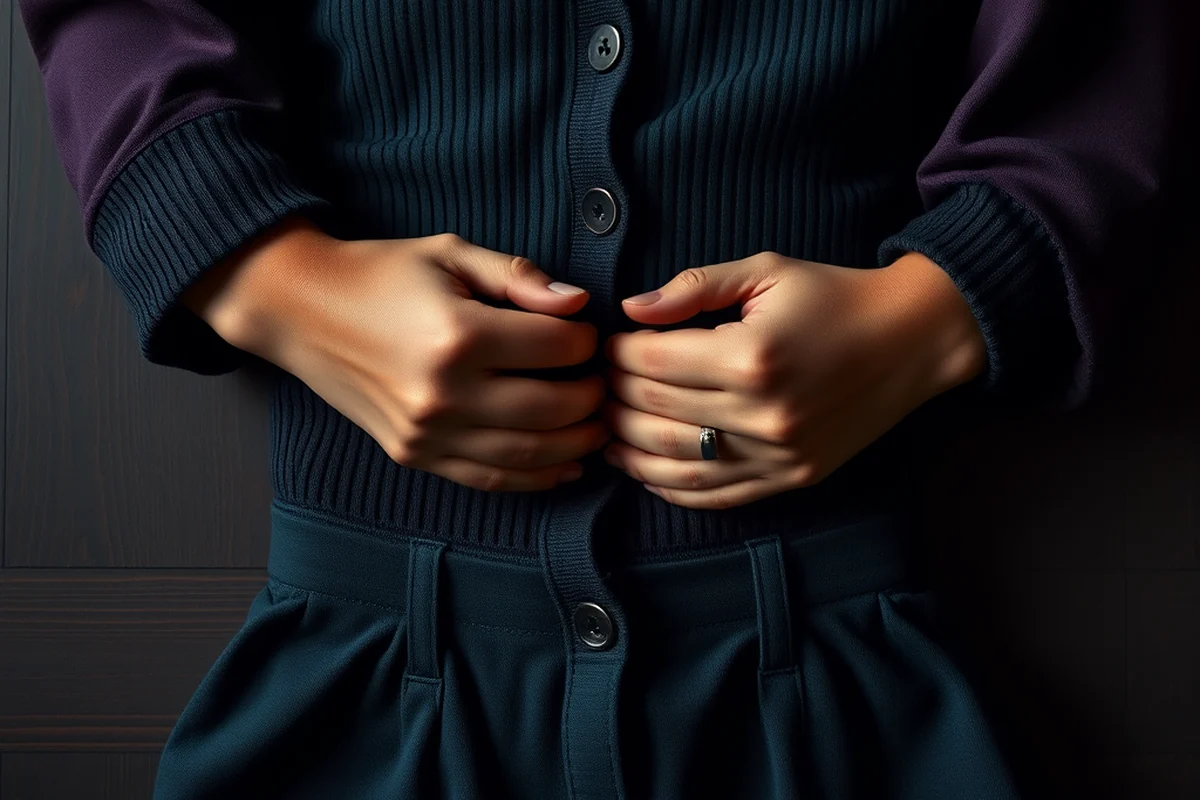
Not all brands do a good job with their petite lines, but a few stand out for their attention to detail and fit. One brand I’ve been following for years has a dedicated petite line that includes everything from jeans to blazers, all tailored for shorter proportions.
I’ve found that some stores, like Nordstrom and Anthropologie, have a variety of petite options that are well-designed and reasonably priced. These stores often have dedicated petite sections with clearly labeled sizes and fit descriptions.
When shopping online, look for brands that have detailed sizing guides and customer reviews that mention fit. That way, you can get a sense of how well the clothes will fit before making a purchase.
How to Build a Petite Wardrobe That Works
The key to building a functional petite wardrobe is to start with a few well-fitted basics — like a tailored blazer, a well-cut pair of jeans, and a few versatile dresses. These pieces can be styled in multiple ways and will serve as the foundation of your wardrobe.
I’ve found that investing in a few high-quality, well-fitted pieces is more valuable in the long run than buying a lot of cheap, ill-fitting clothes. A well-made pair of petite jeans can last for years, while a poorly made one might only last a few months.
When building a wardrobe, think about how each piece will be worn. A good rule of thumb is to aim for a capsule wardrobe with around 5 core pieces that can be mixed and matched into at least 12 different outfits.
Common Myths About Petite Sizing
One common myth is that petite sizing is only for women who are 5'2" or under. In reality, petite sizing can work for anyone who has a shorter frame — regardless of height — as long as the clothes are proportioned correctly.
Another myth is that petite clothes are always smaller in every way. That’s not true — a well-fitted petite dress might be shorter in the torso, but not necessarily narrower in the shoulders or sleeves. The goal is to create a more balanced fit, not just a smaller size.
Petite sizing is not just about making clothes smaller — it’s about making them fit better. That’s the real difference between a well-made petite piece and a poorly designed one.
Petite sizing is about fit, not just size.
How to Style Petite Clothes for Maximum Impact
Styling petite clothes is all about balance — between the top and bottom, between color and pattern, and between the clothes and your body. For example, a shorter dress can be balanced with a longer cardigan or a longer jacket.
I’ve found that using vertical lines in clothing — like tailored blazers or long cardigans — can help create the illusion of height and elongate the frame. This is especially effective for petite women who want to look taller.
When choosing patterns or prints, go for ones that work with your body shape. A vertical striped dress, for example, can create a more elongated look, while a busy pattern might overwhelm a petite frame.
💰 Budget-Friendly Petite
Find affordable petite options from fast fashion retailers that still offer good fit and quality.
💼 Workwear Petite
Look for tailored suits, blouses, and skirts that are designed for a professional, polished look.
👗 Casual Petite
Opt for relaxed fits, soft fabrics, and versatile pieces that can be worn all day.
📏 Petite/Tall Adaptation
Some brands now offer both petite and tall sizing, catering to a range of body proportions.
🧳 Petite Capsule Wardrobe
Curate a small, versatile collection of well-fitted pieces that can be mixed and matched easily.
| The mistake | Why it happens | The fix |
|---|---|---|
| Assuming all petite clothes are the same | Petite sizing can vary significantly between brands and even within the same brand’s product line. | Check each brand’s sizing charts and read customer reviews to understand how their petite line fits. |
| Not measuring yourself before shopping | Without knowing your own measurements, it’s easy to choose the wrong size or style that doesn’t fit well. | Take your own measurements and compare them with the brand’s sizing guide before making a purchase. |
| Ignoring fit details in favor of brand or price | A well-fitted piece is more valuable in the long run, regardless of brand or price. | Focus on fit, fabric, and how the clothes look on your body, not just the brand or price tag. |
| Thinking petite clothes are only for small sizes | Petite sizing is about proportions, not just size. Even larger sizes can be tailored for petite frames. | Look for well-fitted pieces that match your proportions, regardless of size. |
What Is Petite For A Girl
Common Questions
Can petite sizing work for someone who is not particularly short?
How do I know if a brand’s petite line is well-fitted?
Are all petite clothes just smaller versions of regular clothes?
Can I mix and match petite and regular-sized clothes?
References
- An ethnography study exploring factors that influence social ... - PMC (pmc.ncbi.nlm.nih.gov)
- Short Girls by Bich Minh Nguyen - BookDragon (apa.si.edu)
Cite this guide
Mixedframe (2026). What Is Petite For A Girl. https://mixedframe.com/what-is-petite-for-a-girl/
Feel free to cite or share this guide.