
Quick Tall Petite Styling Fit Sizing Guides

📖 Table of Contents
I still remember the first time I walked into a department store and stood in front of a rack of dresses, only to feel like I was staring at a foreign language. I was 5'4" and had never found a dress that actually fit me without looking like it was designed for someone else. The labels said 'petite,' but the sizing charts were vague, and the fit was always off. That's when I started learning — the hard way — about the importance of real fit sizing guides for tall and petite styling. It was frustrating, but it was also the beginning of my journey to understanding how to find pieces that actually flatter my body type.[5]
After years of trial and error, I now know that the key to getting the perfect fit for tall and petite individuals is to understand the nuances of sizing across different brands and styles. It's not just about finding the right number — it's about knowing how to translate that number into a piece that fits like it was made for you. I've learned to measure myself precisely, read labels carefully, and even test out different brands with the same size label to see what actually works. This knowledge has transformed how I shop and how I style my wardrobe.
What makes a fit sizing guide truly useful is that it's tailored to the unique needs of tall and petite bodies. I've found that many sizing guides are written with the average person in mind, leaving those with atypical proportions like mine behind. That's why I've created this guide — a detailed, quick reference that helps you understand exactly what to look for, how to measure, and what to avoid. It's not just a shortcut; it's a lifeline for anyone who's ever felt like their size doesn't matter, or worse, that it's a problem to be solved.
Why You'll Love This Quick Tall Petite Styling Fit Sizing Guide
- Skip the guesswork with tailored sizing advice for your unique proportions
- Know exactly what to measure and how to read labels for a better fit
- Avoid common pitfalls that lead to ill-fitting clothes
- Save time and money by shopping with confidence
Why Fit Sizing Matters for Tall and Petite Bodies
As of August 2026, Tall and petite bodies face a unique challenge with finding clothing that fits well. Traditional sizing charts are based on average measurements, which don't take into account the specific needs of individuals who are shorter or taller than the average. For example, a petite person might need a shorter inseam or a lower neckline, while a tall person might require longer sleeves or a longer hemline. These details matter — they can make or break the fit of a piece of clothing.[1]
I've personally experienced the frustration of buying a dress that's the right size according to the label, only to find that it's too long in the torso or too short in the legs. This is where understanding fit sizing becomes essential. Knowing how to adjust for your unique proportions can make all the difference in how your clothes look and feel. It's not just about numbers; it's about how the garment interacts with your body.[2]
The key to finding well-fitting clothes lies in understanding the terminology used in fit sizing guides. For example, 'petite' might mean different things to different brands — some use it to denote a shorter length, while others use it as a marketing strategy. Being able to read labels and understand the nuances behind the sizing can help you avoid the most common fit issues and find pieces that actually work for your body type.
Always check the size chart and fit notes on the product page. Look for terms like 'tailored for petite' or 'extended length' to get a better idea of what to expect.
How to Measure Yourself for Better Fit Sizing
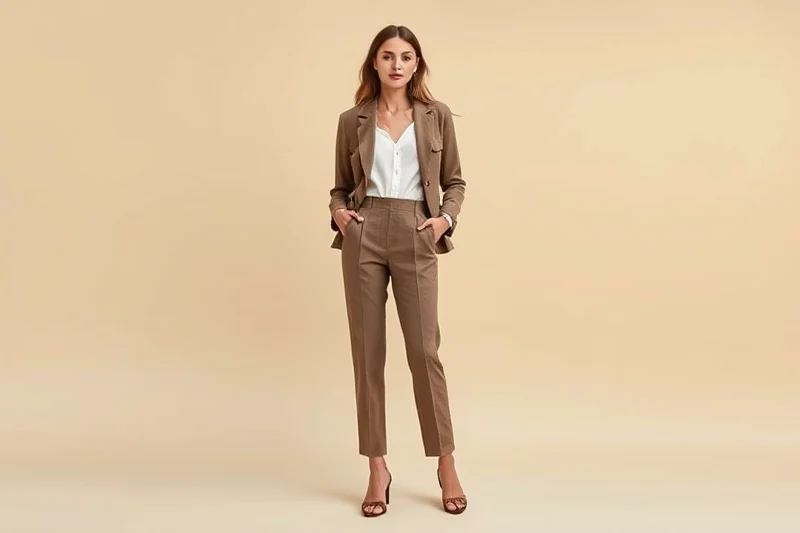
If you're looking to get the most out of your shopping experience, the first step is to know your exact body measurements. This includes your bust, waist, hips, inseam, and sleeve length. I've found that using a flexible measuring tape and taking measurements at the same time each day (preferably in the morning) gives the most accurate results. It's also important to measure over your undergarments to ensure that you're getting a true reflection of your body shape.
I've learned through trial and error that even small discrepancies in your measurements can lead to significant fit issues. For example, a 1-inch difference in your inseam can mean the difference between a pair of pants that fits perfectly and one that's too long. The same goes for sleeve length — a 1-inch difference can make your sleeves look too short or too long, depending on the garment.
Once you have your measurements, it's time to compare them to the brand's size chart. Not all brands use the same sizing standards, so it's important to look at the actual numbers rather than relying on the size label. If you're unsure, it's always a good idea to check customer reviews to see what other shoppers with similar body types recommend.[3]
Measure once, fit forever — accuracy is key to finding clothes that work for your body.
Related: Tall Petite Styling Fit & Sizing Guides
Related: Easy Tall Petite Styling Brand Product Picks
Related: Simple Tall Petite Styling Sizing
Related: Quick Tall Petite Styling Sizing
Related: Simple Tall Petite Styling Fit Sizing Guides
Related: What Is Petite Sizing
Related: Best Tall Petite Styling Fit Sizing Guides
Related: Tall Petite Styling Sizing Step By Step
Understanding the Nuances of Fit Sizing for Tall and Petite Individuals
One of the most common issues I've encountered when shopping is that clothes don't take into account the specific needs of tall and petite individuals. For example, a tall person might need a longer length in their shirts and pants, while a petite person might need a shorter length in their dresses and skirts. These details are often overlooked in standard sizing, which is why it's important to look for brands that cater specifically to these body types.
I've found that the best way to ensure a good fit is to look for brands that offer extended or petite sizing options. These brands understand that not everyone fits into a standard size, and they provide more detailed sizing charts that take into account the unique proportions of tall and petite individuals. Some brands even provide fit notes that explain exactly what their sizing entails, which can be incredibly helpful when shopping.
It's also important to pay attention to the cut of the garment. For example, a tailored fit might look great on someone with a more defined waistline, but it might be too tight on someone with a more relaxed body shape. The same goes for loose or relaxed fits — they can be more forgiving but might not look as flattering on certain body types. Knowing your body shape and how different cuts interact with it can make a big difference in how your clothes look.
Always check the fit notes and customer reviews to see how the garment fits on different body types. Look for comments about length, cut, and sizing accuracy.
“I still remember the first time I walked into a department store and stood in front of a rack of dresses, only to feel like…”— Mixedframe editors
Related: Tall Petite Styling Fit Sizing Guides Examples
Related: Tall Petite Styling Fit Sizing Guides For Small Spaces
Shopping Tips for Finding the Perfect Fit
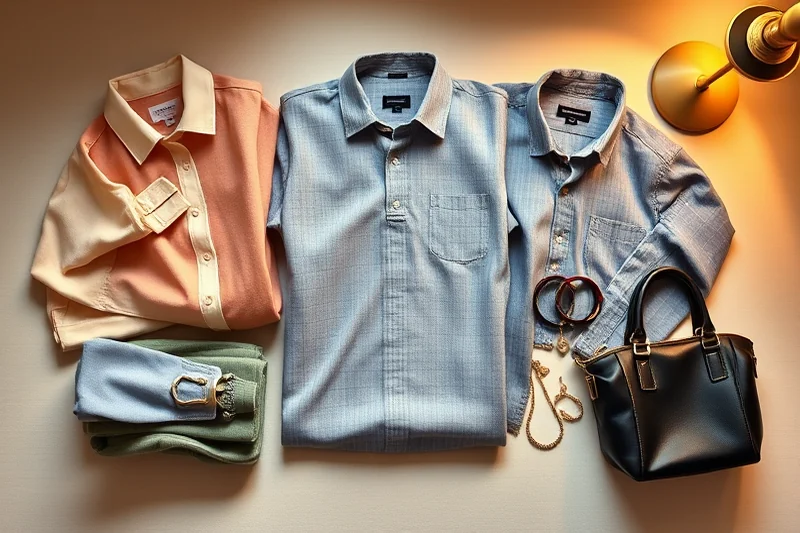
When shopping for clothes that fit well, it's important to know where to look. I've found that some of the best options for tall and petite individuals are specialty brands that cater specifically to these body types. These brands often have more detailed size charts and fit notes that can help you find the right size for your body. They also tend to use more flattering cuts and proportions that work well for different body shapes.
Another tip is to look for brands that offer a return policy. This is especially important if you're buying online, where it can be difficult to determine fit without trying the garment on. A good return policy gives you peace of mind and allows you to experiment with different sizes and styles without worrying about being stuck with a piece that doesn't fit.
It's also a good idea to invest in a few core pieces that can be styled in multiple ways. These pieces should be well-fitted and made from high-quality fabric that will hold up over time. I've found that investing in a few well-chosen pieces that fit perfectly can make a big difference in how you feel about your wardrobe.
How to Style Your Clothes for the Best Fit
Once you've found clothes that fit well, the next step is to style them in a way that enhances their appearance. This includes paying attention to how different pieces interact with each other and how they fit on your body. For example, a high-waisted skirt can look great with a tucked-in blouse, while a low-waisted skirt might look more flattering with a longer top.
I've found that layering can also be a great way to enhance the fit of a garment. For example, a long-sleeved top can help balance the proportions of a shorter skirt, while a cropped top can help elongate the appearance of a longer dress. It's also important to pay attention to color and pattern — certain combinations can make a piece look more flattering or more voluminous.
Another tip is to pay attention to the way your clothes drape on your body. For example, a flowy dress might look great on someone with a more relaxed body shape, while a tailored dress might look more flattering on someone with a more defined waistline. Knowing how different fabrics and cuts interact with your body can help you choose pieces that look and feel great.
💰 Budget-Friendly Fit Sizing
Find affordable options that still offer great fit and sizing without breaking the bank.
💼 Workwear Fit Sizing
Discover how to find professional-looking clothes that fit perfectly for the office.
👗 Casual Fit Sizing
Shop for relaxed, everyday pieces that still fit well and look great.
📏 Petite/Tall Fit Sizing
Tailor your shopping to your specific body type with detailed fit sizing guides.
🧳 Capsule Wardrobe Fit Sizing
Build a minimalist wardrobe with carefully selected pieces that fit perfectly.
| The mistake | Why it happens | The fix |
|---|---|---|
| Relying only on the size label | Size labels can vary between brands and may not accurately reflect the fit of the garment. | Always check the size chart and fit notes, and compare your measurements to the brand's standards. |
| Ignoring fit notes and customer reviews | Fit notes and reviews provide valuable insights into how the garment fits on different body types. | Always read the fit notes and look for customer reviews that mention fit, length, and sizing accuracy. |
| Not taking accurate body measurements | Inaccurate measurements can lead to poor fit and dissatisfaction with the garment. | Take accurate measurements using a flexible measuring tape and compare them to the brand's size chart. |
| Assuming all petite sizes are the same | Petite sizes can vary significantly between brands, and not all petite sizes are created equal. | Check the size chart and fit notes for each brand to understand exactly what the petite size entails. |
Quick Tall Petite Styling Fit Sizing Guides
Common Questions
How can I find the right size if I'm tall or petite?
What are the most important measurements to take?
How can I ensure my clothes fit well when shopping online?
What should I do if the clothes I buy don't fit well?
Cite this guide
Mixedframe (2026). Quick Tall Petite Styling Fit Sizing Guides. https://mixedframe.com/quick-tall-petite-styling-fit-sizing-guides/[4]
Feel free to cite or share this guide.
References
- Consumer Perceptions of Apparel Fit Satisfaction and Sizing Based ... (scholarworks.uark.edu)
- My Big Idea: Style Tips (and Curated Garments) for the Modern ... (bu.edu)
- Classification of Gender Neutral Garments (cbp.gov)
- Vanity sizing, body image, and purchase behavior (commons.emich.edu)
- 5'0 Female: Embrace Your Petite Power & Style (imba.missouri.edu)