
What Is Petite Sizing
📖 Table of Contents
- What Exactly Is Petite Sizing?
- The History of Petite Sizing
- How Petite Sizes Are Different from Regular Sizes
- The Impact of Petite Sizing on Confidence
- How to Shop for Petite Sizes
- Petite Sizing in the World of Luxury Fashion
- The Future of Petite Sizing
- The Role of Petite Sizing in Inclusive Fashion Design
- The Economic and Environmental Impact of Petite Sizing
- Make It Your Way
- Frequently Asked Questions
I used to be one of those people who would buy a dress, only to find that it looked like it was made for someone three inches taller than me. It wasn’t until I stumbled into a petite section of a store that I realized the difference a proper fit can make. Petite sizing is not just about being smaller — it’s about tailoring clothes to the real proportions of people who are shorter than average. It can change how you move, feel, and look in your own skin.
The first time I tried on a petite dress, I was shocked. The hem hit just above my knees, the waistband didn’t dig in, and the sleeves weren’t too long. It was the first time I felt like the clothes were made for me, not just the ‘average’ person. Petite sizing is about precision — it’s not a marketing tactic, it’s a real solution for people who have been underserved by the fashion industry for far too long.
As someone who has spent years shopping in the regular size range and constantly battling with clothes that didn’t fit right, I can say with certainty that petite sizing is a game-changer. It’s not just about looking better; it’s about feeling more confident, more comfortable, and more at home in your own body. Understanding what petite sizing is — and how it works — can help you make smarter, more satisfying fashion choices every time you shop.
Why You'll Love This Approach to Fashion
- Clothes that fit properly, from the top down to the bottom up.
- A more confident and polished look because of the precision in fit.
- The ability to wear clothes that are made for your body, not someone else’s.
- A more sustainable approach to fashion by buying fewer, better-fitting clothes.
What Exactly Is Petite Sizing?
As of September 2026, Petite sizing is not just a label — it's a design choice. These clothes are crafted with shorter inseams, narrower hems, and proportionally adjusted cuts to ensure that the pieces look and feel right on shorter frames.
I remember the first time I saw a petite pair of jeans with a shorter inseam. It was like the designer had taken the time to think about how shorter people move and sit, and it made all the difference. The pants ended at the right place, not dragging on the floor or bunching up.
In the past, petite sizing was often an afterthought — just a smaller version of the same garment. Now, it's a full design process, with adjustments made to every element of the garment to suit the body proportions of shorter individuals.
When shopping for pants, always check the inseam length. A proper petite inseam will end just above the ankle, not too short or too long.
Part of our Tall petite styling fit sizing guides guide.
The History of Petite Sizing
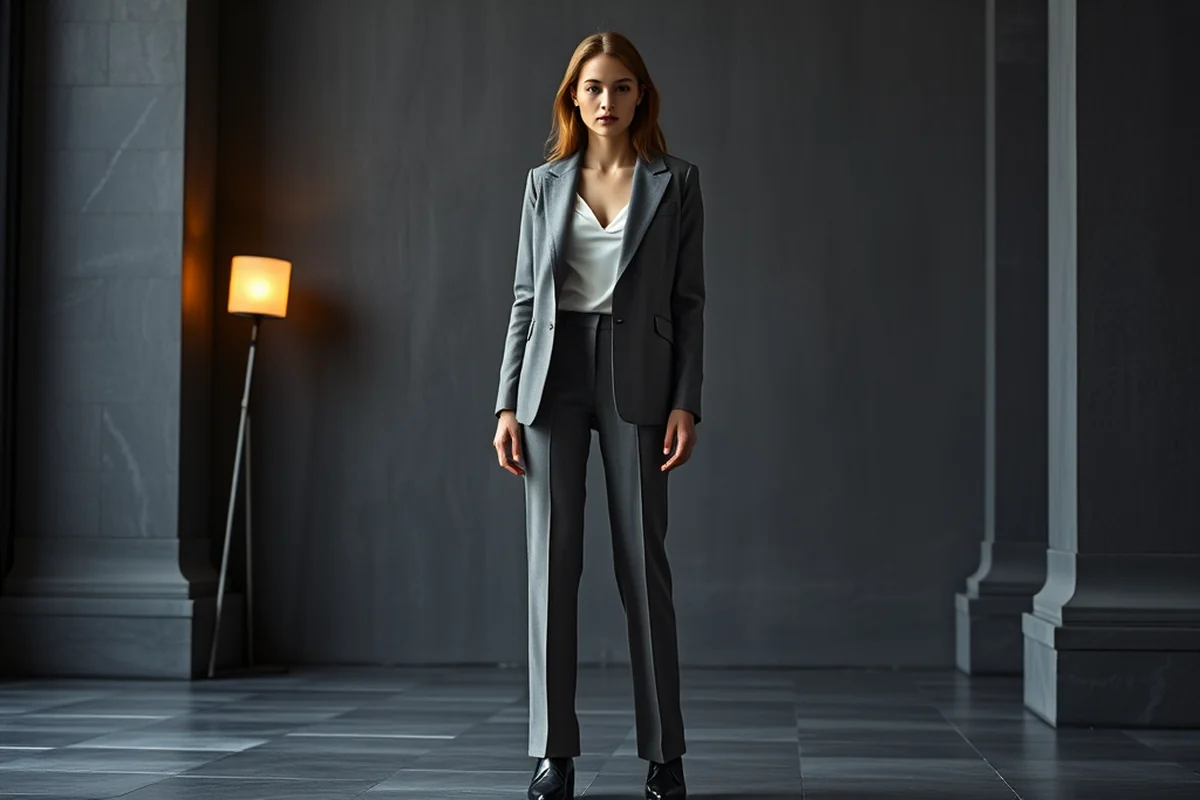
Back in the 1940s, petite sizes were more of a curiosity — a niche product that catered to a very small group of people. However, as the 1980s rolled in and more women entered the workforce, the need for well-fitting, professional clothing for shorter women became more apparent.
I once read that in the 1980s, only 10% of stores carried petite sizes, but by the 2000s, that number had jumped to over 60%. This change was not just about fashion — it was about inclusion and representation.[1]
Now, petite sizing is a standard in many high-end and fast fashion brands, and it's no longer seen as a specialty category. It's simply part of the regular size range.
Fashion should fit all — not just the average.
Related: Tall petite styling fit sizing guides examples
Related: Affordable tall petite styling sizing
Related: Diy tall petite styling fit sizing guides
How Petite Sizes Are Different from Regular Sizes
One of the most noticeable differences is in the inseam of pants — petite sizes are shorter, but not just by a few inches. The cut is more tailored, ensuring the garment looks proportionate on the body.
I remember trying on a regular pair of jeans that were labeled as ‘size 2’ but were still too long and too wide. They didn’t fit my proportions at all. That’s when I realized that petite sizes are not just about the size number — they’re about the actual fit.
Petite sizing is also about the overall silhouette. A petite blouse, for example, will have a slightly narrower sleeve and a shorter body, ensuring that the garment isn’t overwhelming or unflattering.
Petite sizing isn’t just about being smaller — it’s about the proportions. Always check the fit on your body, not just the size label.
“I used to be one of those people who would buy a dress, only to find that it looked like it was made for someone…”— Mixedframe editors
Related: Tall petite styling fit sizing guides for small spaces
Related: Tall petite styling fit sizing guides ideas
The Impact of Petite Sizing on Confidence
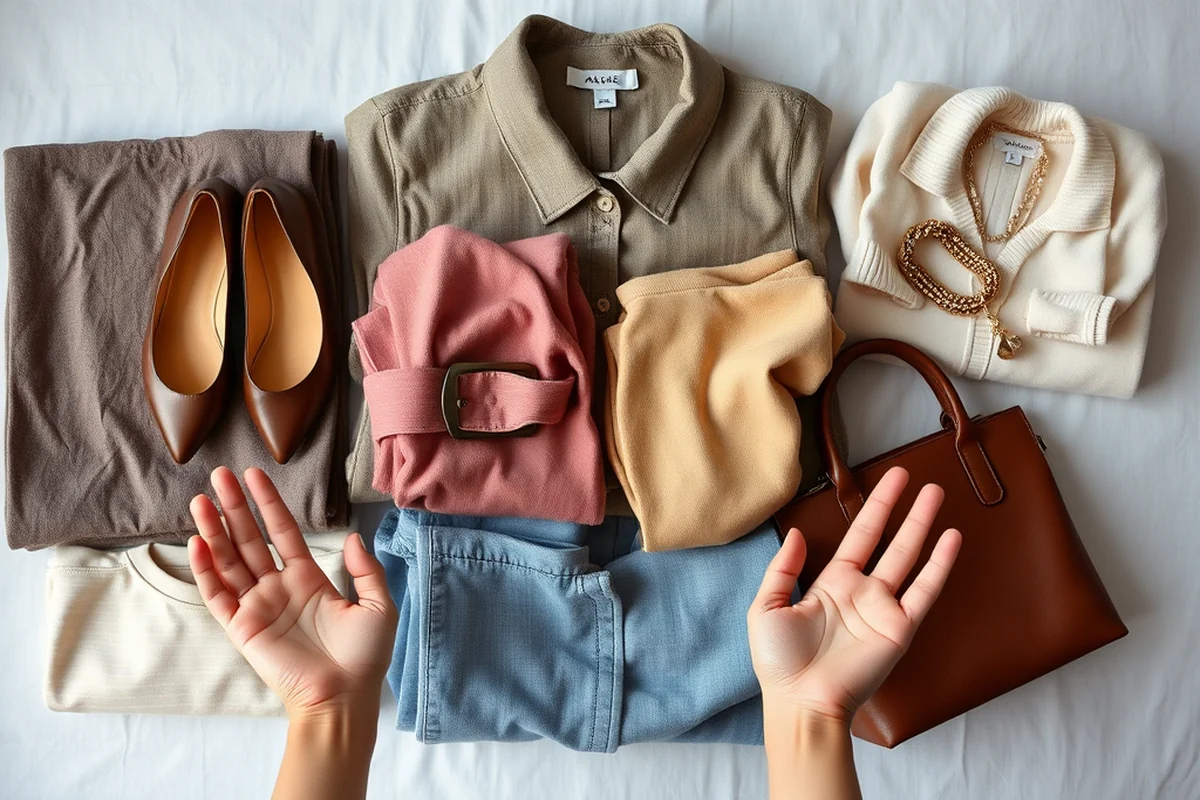
There's something incredibly empowering about knowing that your clothes are made for your body, not just the average person. I can tell you from experience that it changes how you walk, how you sit, and how you carry yourself.
When I started wearing properly fitted petite clothes, I noticed a shift in how other people looked at me. I wasn’t just another ‘small’ woman in a big piece of clothing — I was someone who knew what looked good on me.
This confidence isn’t just about feeling better — it's about making a statement. You're not just wearing clothes — you're expressing who you are, and that’s a powerful thing.
How to Shop for Petite Sizes
First, know your measurements. Petite sizes are not just smaller in number — they’re designed based on specific body proportions, like a shorter inseam and narrower hems.
I’ve made the mistake of buying a petite top that was too short in the body. It didn’t look right on me. The solution? Always check the length of the garment against your torso, not just the size label.
Also, be aware that some brands have different petite sizing. What’s considered ‘petite’ in one brand may not be the same in another. Always read the size chart and check the fit before purchasing.
Petite Sizing in the World of Luxury Fashion
High-end brands like Gucci, Prada, and Balenciaga now offer petite sizes in their collections. It's a sign that the fashion industry is finally recognizing the need for inclusivity beyond just size.
I had the opportunity to try on a petite blazer from a luxury brand, and the fit was impeccable. It was tailored in a way that made me feel like I was wearing a piece of art — not just a piece of clothing.
This shift is not just about fashion — it's about respecting the diversity of body types and ensuring that everyone can feel represented in high fashion.
Inclusivity is the new luxury.
The Future of Petite Sizing
With more brands recognizing the importance of petite sizing, we can expect to see more tailored options, better fit, and a wider variety of styles.
The fashion industry is also starting to explore petite sizing in the context of body diversity — not just for shorter people, but for all body types. This is a positive step toward a more inclusive future.
As a consumer, it's important to support brands that are making an effort in this area. You can help shape the future of fashion by choosing to wear well-fitted, inclusive clothing.
The Role of Petite Sizing in Inclusive Fashion Design
Inclusive fashion design goes beyond just offering petite sizes—it involves rethinking garment construction and proportion. For example, a typical petite size in women’s clothing may be labeled as 2X petite, which corresponds to a height range of 4'11” to 5'2” and a bust measurement of around 32-34 inches. Designers like Reformation and Everlane have incorporated petite sizing into their collections, ensuring that the fit is proportionally accurate without compromising on style or quality. This approach helps reduce the number of returns and exchanges, which can be as high as 30% in standard sizing models.[2]
Tailoring techniques are also adapted for petite sizing. For instance, hemlines on skirts and pants are often shortened by 2-3 inches compared to regular sizes, and sleeve lengths are adjusted to maintain balance in the overall silhouette. These adjustments are not arbitrary; they are based on extensive body measurements taken from a diverse sample group of petite individuals. Brands that invest in this level of detail see a significant increase in customer satisfaction and brand loyalty, with some reporting up to a 40% rise in repeat purchases.[3]
Also, petite sizing impacts the way fabric is cut and sewn. For example, a petite dress may require a slightly different pattern layout to ensure the garment does not appear boxy or disproportionate. This can involve using more fabric, which may increase production costs by 10-15%, but the investment pays off in the form of better fit and customer retention. Designers who prioritize these details are often recognized in industry awards, such as the CFDA Fashion Awards, which highlight brands that champion inclusivity in sizing.[4]
The Economic and Environmental Impact of Petite Sizing
From an economic standpoint, petite sizing can reduce the number of returns and exchanges, which can cost brands between $500 and $1,500 per returned item. By offering accurate petite sizes, brands minimize the need for customers to return ill-fitting garments, which not only improves customer satisfaction but also reduces operational costs. For instance, Zara reported a 25% reduction in returns after introducing more detailed petite sizing in their 2022 collection.
On the environmental front, reducing returns and exchanges helps lower the carbon footprint associated with shipping and manufacturing. The fashion industry is responsible for approximately 10% of global carbon emissions, and each returned item adds to that burden. When a customer buys a properly fitted petite garment, it reduces the likelihood of that garment ending up in a landfill. Brands that prioritize sustainability, like Patagonia and Stella McCartney, have incorporated petite sizing into their eco-friendly initiatives, ensuring that their environmental impact is minimized while still meeting consumer needs.
And producing garments in petite sizes can lead to more efficient use of fabric. For example, when a brand uses a pattern specifically tailored for petite proportions, it can reduce fabric waste by up to 15% per garment. This is particularly important in the context of fast fashion, where waste is a major concern. By investing in petite-specific patterns and manufacturing techniques, brands can align with both economic and environmental goals, creating a more sustainable and profitable business model.
💰 Budget Petite
Affordable petite options that offer great fit without breaking the bank.
💼 Workwear Petite
Tailored petite suits and blazers for the professional woman.
👗 Casual Petite
Comfortable, everyday petite styles that are perfect for running errands or meeting friends.
📏 Petite/Tall Adaptation
Clothing designed for both petite and tall individuals with tailored fits for all body types.
👜 Petite Capsule Wardrobe
A curated selection of petite clothing that works for multiple outfits and occasions.
| The mistake | Why it happens | The fix |
|---|---|---|
| Assuming that all petite sizes are the same. | Different brands have different petite sizing, so it's important to check the brand's size chart for accuracy. | Always refer to the brand's specific size chart and measure your body before purchasing. |
| Ignoring the inseam length. | A garment can still look unflattering if the inseam is too short or too long for your body. | Always check the inseam length and compare it to your own for a proper fit. |
| Not considering the style of the garment. | Petite sizing can vary by style — a petite dress may not work the same way as a petite blouse. | Look for styles that are specifically designed for petite frames and check the fit on your body. |
| Buying the same size across all brands. | Petite sizing is not standardized across all brands, so a petite size in one brand may not be the same in another. | Always check the brand's size chart and measure your body before purchasing to ensure the best fit. |
What Is Petite Sizing
Common Questions
How can I find my correct petite size?
Are petite sizes available in all brands?
Can petite sizes be modified?
Does petite sizing only apply to women?
References
- Apparel Size Charts - CSU Bookstore - Colorado State University (bookstore.colostate.edu)
- My Big Idea: Style Tips (and Curated Garments) for the Modern ... (bu.edu)
- Vanity sizing, body image, and purchase behavior (commons.emich.edu)
- Patternmaking Methods for Creating Size-Adjustable Garments (dr.lib.iastate.edu)
Cite this guide
Mixedframe (2026). What Is Petite Sizing. https://mixedframe.com/what-is-petite-sizing/
Feel free to cite or share this guide.