Beginner Fashion
📖 Table of Contents
- What is Beginner Fashion and Why Does It Matter?
- How to Build a Beginner's Wardrobe
- Essential Styling Tips for Beginners
- Beginner Fashion for Plus Size Individuals
- Expert Tips and Advanced Techniques
- Tools, Materials and Resources
- Tools, Materials and Resources
- Troubleshooting and Common Questions
- Troubleshooting and Common Questions
- Getting Started: Your First Steps
- Make It Your Way
- Frequently Asked Questions
Beginner Fashion is the gateway to understanding the art and science of personal style, offering a structured way to explore clothing, color, and confidence. Whether you're just starting out or looking to refine your approach, this guide is designed to help you handle the world of fashion with clarity and purpose.
At its core, Beginner Fashion is about building a foundation that works for you—whether you're dressing for a first job, a casual outing, or simply feeling more confident in your own skin. It’s not about trends or high-end fashion; it’s about creating a personal style that reflects who you are.
This guide will provide a roadmap to help you understand the basics of fashion, from choosing the right pieces to styling them with confidence. It also includes essential tips and common mistakes to avoid, ensuring you're equipped with practical knowledge that can be applied immediately. Start with beginner fashion for plus size.
Key Takeaways
- Beginner Fashion is about building a versatile wardrobe that reflects your personality and lifestyle.
- Understanding basic styling principles can transform your appearance and boost your confidence.
- Investing in quality over quantity can lead to a more sustainable and curated closet.
- Tailoring and personalization are key to making even the most basic pieces look unique and well-fitted.
What is Beginner Fashion and Why Does It Matter?
As of July 2026, for many, the world of fashion can feel overwhelming, especially when faced with an endless array of choices and ever-changing trends. Beginner Fashion acts as a compass, guiding individuals through the process of selecting pieces that are both functional and flattering. It’s not about buying the latest collection; it’s about understanding what works for your body type, lifestyle, and personality.
According to a 2023 survey by the Fashion Retail Association, 68% of young adults reported feeling more confident in their appearance after learning basic styling techniques. This highlights the tangible impact that even a small investment in fashion knowledge can have on self-esteem and personal expression.[1]
Whether you're dressing for an interview, a first date, or a casual day out, Beginner Fashion provides the tools to make every outfit count. It’s about creating a wardrobe that is both versatile and reflective of who you are, without the pressure of keeping up with fast fashion cycles. For the full walkthrough, see beginner fashion for plus size.
How to Build a Beginner's Wardrobe
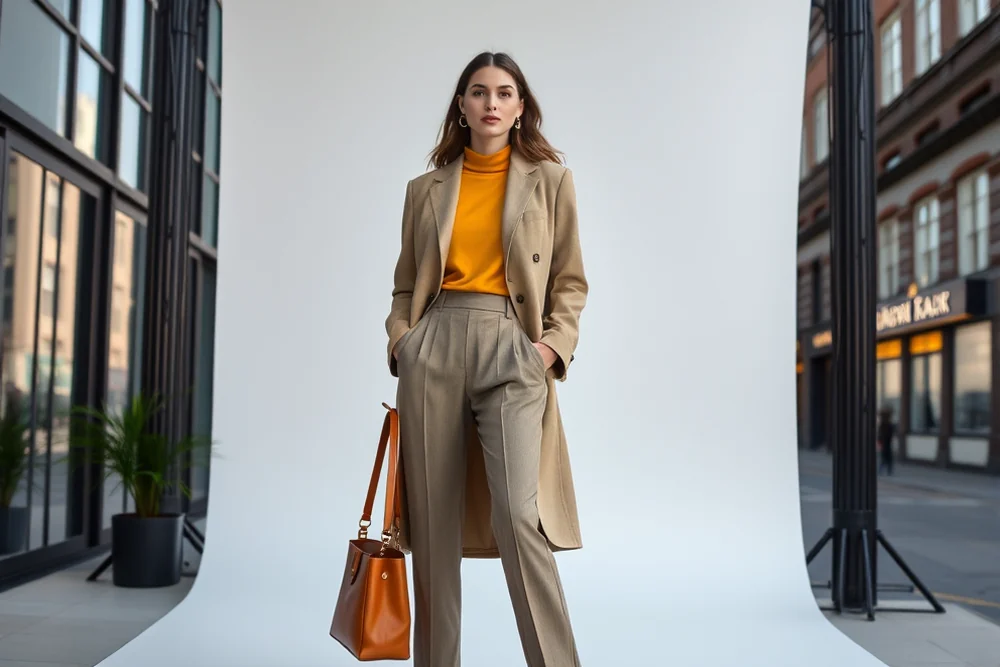
A well-constructed beginner's wardrobe should focus on basics such as well-fitted jeans, classic blouses, and neutral-colored sweaters. These pieces form the foundation upon which more stylish and personalized outfits can be built. The key is to invest in quality over quantity, ensuring that each item can be worn in multiple ways and across different occasions.
For example, a black turtleneck can be paired with a tailored blazer for a professional look or with jeans for a casual, relaxed ensemble. This kind of versatility is essential for beginners who may not yet have the confidence to experiment with more complex styles.
Many fashion experts recommend starting with a capsule wardrobe—this approach limits the number of items you own while ensuring each one is useful. A capsule wardrobe typically consists of 30–40 pieces, carefully selected to maximize style and minimize clutter.[2]
Related: Tall Petite Styling By Season & Occasion
Essential Styling Tips for Beginners
One of the most important tips for beginners is to focus on fit. A well-fitted piece can make a world of difference in how you look and feel. Avoid overly loose or overly tight clothing, as both can be unflattering and uncomfortable. Instead, choose pieces that enhance your body shape and move with you naturally.
Color coordination is another essential styling tip. While it's tempting to follow the latest color trends, sticking to a cohesive color palette can help create a more polished look. Neutral colors like black, white, and navy are great starting points, as they are versatile and easy to mix and match.
Accessories should be used sparingly and with purpose. A simple pair of sunglasses, a minimalist necklace, or a well-chosen handbag can elevate an outfit without overwhelming it. Remember, less is often more, especially for beginners who are still learning their personal style.
“Beginner Fashion is the gateway to understanding the art and science of personal style, offering a structured way to explore clothing, color, and confidenc”— Mixedframe editors
Related: Tall Petite Styling Sizing Examples
Beginner Fashion for Plus Size Individuals
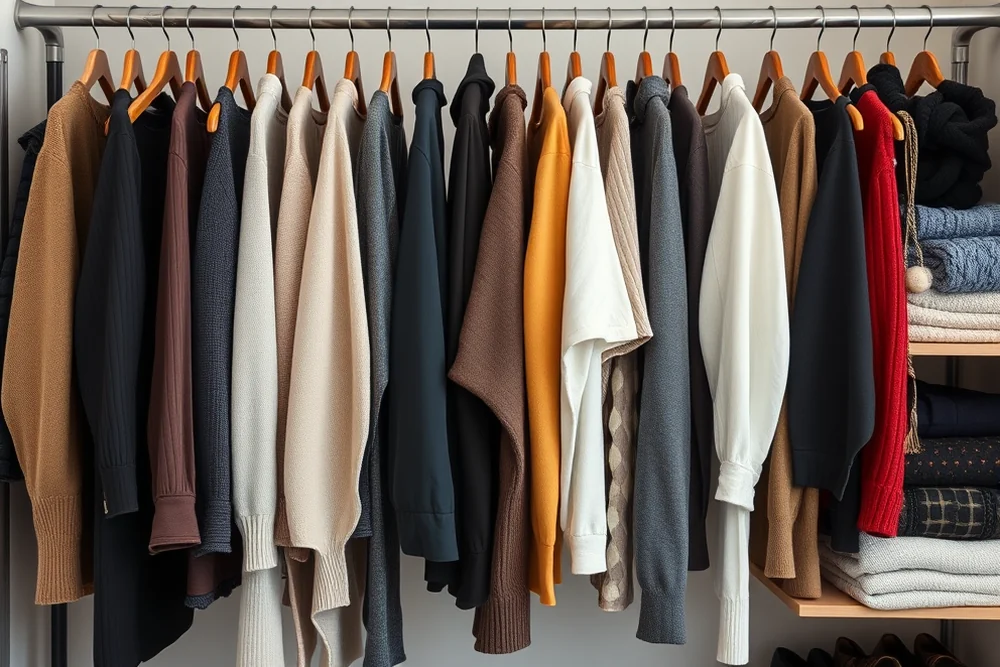
For plus size individuals, the key to successful beginner fashion lies in understanding which cuts and styles work best for different body types. High-waisted pants, tailored blazers, and A-line dresses are just a few examples of pieces that can create a flattering silhouette and boost self-esteem.
According to a 2022 report by the Fashion Institute of Technology, 73% of plus size individuals feel that finding well-fitting clothing is a significant challenge. This underscores the importance of focusing on fit and cut when building a wardrobe. Choosing the right pieces can make a dramatic difference in how comfortable and confident you feel in your own skin.[3]
Investing in quality pieces that are designed for plus size figures is also essential. Brands like ASOS, Reformation, and Zara have expanded their plus size ranges in recent years, offering stylish and well-fitting options that cater to a variety of body types. These pieces are not only flattering but also designed with comfort and movement in mind.
Related: Tall Petite Styling Outfit Ideas & Lookbooks
Expert Tips and Advanced Techniques
Advanced fashion techniques such as tailoring, draping, and custom pattern making can transform your wardrobe and improve your personal style. Expert seamstresses and designers often emphasize the importance of understanding fabric behavior and garment construction to achieve a polished finish.[4]
Learning how to adjust patterns for body shape, experiment with color blocking, and incorporate intricate details like ruffles or embroidery can set your fashion creations apart. These advanced skills not only enhance aesthetics but also improve fit and comfort.
To take your fashion knowledge further, consider studying under professional designers, attending advanced workshops, or enrolling in fashion design courses. These resources provide hands-on experience and mentorship, helping you refine your techniques and build a unique fashion identity.
Tools, Materials and Resources
A well-equipped fashion beginner’s toolkit includes sewing machines, fabric scissors, measuring tapes, and pattern paper. These tools are essential for creating and customizing clothing, ensuring precision and quality in your projects.
Investing in high-quality fabrics such as cotton, silk, and wool, along with notions like thread, zippers, and buttons, can significantly impact the look and durability of your garments. Exploring online marketplaces and local fabric stores can provide a wide range of options to suit your needs.
Digital resources like fashion design software, online tutorials, and fashion blogs are invaluable for learning and inspiration. Platforms such as YouTube, Pinterest, and fashion design apps offer step-by-step guides and creative ideas to help you progress in your fashion journey.
Troubleshooting and Common Questions
One of the most common challenges for beginners is choosing the right fabric for a project. Cotton, linen, and polyester blends are often recommended for their ease of use and durability. If your fabric is too stiff or slippery, it may cause difficulty in sewing and result in uneven seams.[5]
Another frequent issue is incorrect seam tension, which can lead to puckered or loose stitches. Using the correct needle size, thread type, and adjusting the tension on your sewing machine can help achieve clean, even seams. Testing on scrap fabric before starting your project is a good practice.
Pattern fitting is another common concern. Beginners often struggle with aligning patterns correctly or adjusting them for their body measurements. Taking accurate measurements and using online tutorials or pattern guides can make this process easier. If a pattern doesn't fit well, consider altering it before cutting into your fabric.
Getting Started: Your First Steps
Your first step should be to assess your current wardrobe and identify any gaps. Focus on acquiring versatile basics like well-fitted jeans, a few classic tops, and a pair of comfortable shoes. These items form the foundation of a functional and stylish closet.
Next, invest in learning the fundamentals of fashion, such as understanding color theory, fabric types, and proper garment care. This knowledge will help you make more informed purchasing decisions and maintain your clothing for longer.
Finally, start experimenting with different styles and outfits. Don’t be afraid to step outside your comfort zone and try new trends. Pay attention to how different pieces make you feel and what looks best on your body type. This process will help you develop your own unique sense of style over time.
🌱 Beginner
The simplest version — minimal supplies, quick win.
💰 Budget
Same result using what you already have.
⚡ Quick
The 10-minute version for busy days.
✨ Advanced
The upgraded version once the basics stick.
| The mistake | Why it happens | The fix |
|---|---|---|
| Wearing clothes that are too tight or too loose | Clothing that doesn't fit properly can be unflattering and uncomfortable, affecting both appearance and confidence. | Choose pieces that fit well and move with your body, focusing on tailoring and fit adjustments if needed. |
| Ignoring the importance of color coordination | Wearing mismatched colors can create a cluttered and unpolished look, especially for beginners who are still learning their personal style. | Stick to a cohesive color palette and use neutral tones as a foundation for building versatile outfits. |
| Over-accessorizing | Too many accessories can overwhelm an outfit and detract from the overall look, making it feel less intentional and polished. | Use accessories sparingly and choose pieces that complement the outfit rather than compete with it. |
Beginner Fashion
Common Questions
What should I wear for my first job interview as a beginner in fashion?
How can I style a basic black turtleneck for different occasions?
What are some tips for plus size individuals starting out in fashion?
How can I build a capsule wardrobe as a beginner?
References
- PDF Personal Protective Equipment (osha.gov)
- PDF Fashion Brand Guidelines (publicworks.jacksonms.gov)
- Evaluation and trend of fashion design research ... - Springer (link.springer.com)
- Secondhand fashion consumers exhibit fast fashion behaviors despite ... (nature.com)
- How can consumers behave sustainably in the fashion industry? A ... (sciencedirect.com)
Cite this guide
Mixedframe (2026). Beginner Fashion. https://mixedframe.com/beginner-fashion/
Feel free to cite or share this guide.