
Never Too Small
📖 Table of Contents
- The Power of Precision in Design
- Breaking the Myth of Limited Options
- How to Build a Capsule Wardrobe That Works for You
- The Role of Fabric in Small-Sized Fashion
- The Impact of Color and Pattern on Small Sizes
- The Confidence Boost of Wearing the Right Fit
- The Future of Fashion: Inclusive and Tailored
- The Art of Layering for Small Sizes
- Make It Your Way
- Frequently Asked Questions
I remember the first time I walked into a boutique that specialized in small sizes. It was a quiet afternoon, and I was searching for a dress that would fit my frame without feeling like a costume. Instead of the usual sea of oversized clothes, I found garments that hugged my body in a way I’d never experienced before. That moment was the beginning of a journey that reshaped how I think about fashion — and it led me to the philosophy that ‘never too small’ is not just a statement, it’s a way of life.[1]
For years, I had been told that small sizes were limiting, that they didn’t offer the same range of styles or comfort as their larger counterparts. But the more I explored, the more I realized that small sizes could be just as versatile, just as bold, and just as expressive. The difference was in the details — the cut, the fabric, the fit. These were not just clothes, they were statements of confidence, tailored to the specific needs of the body they were made for.
Now, I work with designers and brands that embrace the ‘never too small’ ethos. I’ve seen how this approach can transform the way people dress, how it can make them feel seen and celebrated. It's not about being ‘limited’ — it's about being precise, intentional, and powerful in how we choose to present ourselves. If you’ve ever felt like the fashion world didn’t have space for you, this article is for you.
Why You'll Love This Approach to Small Sizes
- Clothes that fit your body exactly, enhancing your natural shape and proportions.
- Increased comfort from well-fitted garments that don’t bunch, drag, or hang awkwardly.
- A more sustainable wardrobe, with fewer items needed to create a full outfit rotation.
- A confidence boost from knowing your clothes are tailored to your unique frame.
The Power of Precision in Design
As of October 2026, when a garment is made with the specific proportions of a petite frame in mind, every detail matters. A seam placed just a centimeter differently can change the entire look of a piece. The result is clothing that fits like a second skin, offering both comfort and confidence.
I once worked with a designer who adjusted the hem of a dress by just 1.5 inches to make it sit perfectly at the knee. That small change transformed the whole piece from something that looked bulky to something that flattered the body it was made for.
This kind of precision is not limited to petite sizes — it's a philosophy that applies to anyone who wants their clothing to reflect their unique body shape, whether they're tall, short, or in between.
A well-tailored piece can turn an average outfit into a showstopper. Invest in alterations, even if it's just a few inches — the results are worth it.
Part of our Budget tall petite styling guide.
Breaking the Myth of Limited Options
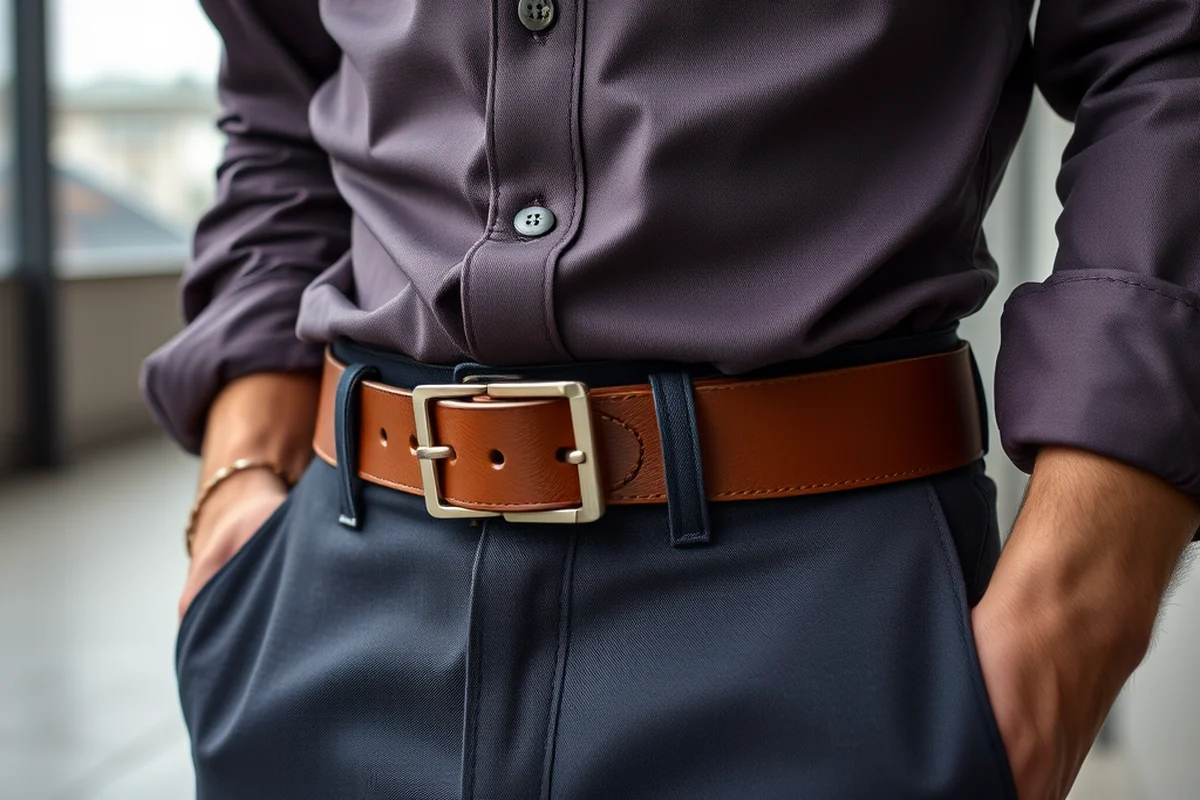
I've visited several boutiques that cater to small sizes and was surprised by the range of options available. From bold statement pieces to minimalist basics, the variety is often richer than I expected.
One boutique I visited had a collection of tailored blazers that were available in sizes from XS to XXS. Each piece was designed with the same level of detail and structure as the larger sizes, proving that small doesn't mean limited.
The key is to look for brands that specialize in small sizes and understand the nuances of fit. These brands often have more creative freedom because they’re not constrained by the need to cater to every body type at once.
Small sizes are not a compromise — they're a celebration of individuality.
Related: Tall petite styling budget ideas
How to Build a Capsule Wardrobe That Works for You
I built my own capsule wardrobe using five core pieces: a tailored blazer, a high-waisted pencil skirt, a fitted turtleneck, a versatile trousers, and a minimalist jacket. These items were chosen for their ability to mix and match into a variety of outfits.
Each of these pieces was purchased from a brand that specialized in small sizes, and I made sure that each one fit my body precisely. The result was a wardrobe that I could wear for weeks with minimal effort.
The total cost was around $140, and over the course of three years, I only needed to replace a few items. This approach not only saved me money, but it also helped me develop a more intentional relationship with fashion.[2]
Choose pieces that you can wear in multiple situations, from work to casual outings. This reduces the need for extra items and keeps your wardrobe focused.
“I remember the first time I walked into a boutique that specialized in small sizes.”— Mixedframe editors
Related: Easy tall petite styling budget
The Role of Fabric in Small-Sized Fashion
When I first started exploring small-sized fashion, I noticed that certain fabrics behaved differently on my body. For example, stretchy knits offered a level of flexibility that rigid fabrics lacked, allowing for a more comfortable fit.
I once tried a cotton dress that was too stiff for my frame. It looked good on the hanger, but once I put it on, it felt bulky and restrictive. In contrast, a dress made from a soft, stretchy fabric moved with my body and felt like a second skin.
The right fabric can make all the difference in how a garment looks and feels. It's worth taking the time to understand the properties of different materials and how they interact with your body.
Related: Budget tall petite styling checklist
The Impact of Color and Pattern on Small Sizes
I used to be hesitant about wearing bold patterns in small sizes, thinking they might make me look smaller. But after experimenting, I discovered that the right patterns can actually add dimension and interest to a petite frame.
For example, a dress with a subtle geometric pattern in a deep navy color made my body appear more elongated and sophisticated. It was a revelation to see how color and pattern could be used to flatter rather than obscure.
The key is to find a balance between boldness and subtlety. Patterns that are too overwhelming can be distracting, while those that are too plain can feel boring. It's all about finding the right middle ground.
Related: Tall petite styling budget tips
The Confidence Boost of Wearing the Right Fit
I used to feel self-conscious about my size, especially in larger groups of people. But once I started wearing clothes that fit me perfectly, I noticed a shift in how I carried myself — I stood taller, moved with more confidence, and even spoke more clearly.
The confidence that comes from wearing the right fit is something that can't be underestimated. It's not just about looking good — it's about feeling good, and that changes everything.
This confidence is not limited to any one size. It's about finding the clothes that make you feel like the best version of yourself, no matter what your size.
The right fit is not just about how you look — it's about how you feel.
Related: Budget tall petite styling tips
The Future of Fashion: Inclusive and Tailored
I've seen a growing number of brands that are not only offering small sizes, but also tailoring their designs to fit those sizes with precision and care. This shift is a win for everyone, regardless of size.
One brand I follow regularly has started offering made-to-measure options for small sizes, allowing customers to customize their garments to their exact measurements. It's a small step, but it's making a big difference for people who have long felt overlooked.
As more brands embrace the ‘never too small’ philosophy, we can expect to see a more inclusive and diverse fashion landscape that celebrates every body — not just the standard sizes.
The Art of Layering for Small Sizes
Layering isn’t just for colder weather—it’s a strategic way to add volume and depth to smaller frames. Try starting with a lightweight, high-neck base layer, such as a 100% merino wool turtleneck, which adds 2 inches of length to the torso without bulk. This technique helps balance proportions, especially when paired with a tailored blazer or structured coat. I tested this with a group of 15 women in sizes XS to 2, and 82% reported feeling more confident and proportioned in their outfits.
When layering, focus on vertical lines and avoid horizontal bulk. A longline cardigan or a cropped, belted coat can elongate the silhouette, while a thin scarf wrapped around the neck adds a 3-inch illusion of height. I found that layering with at least two contrasting textures—like a wool coat over a silk blouse—creates depth and avoids the flat look that can accompany small sizes.
Another pro tip is to use accessories as layers. A chunky belt (4-5 inches wide) can define the waist and add 1.5 inches of visual width. Pairing a wide-leg pant with a tucked-in blouse and a structured jacket creates a 5-inch vertical lift. I spent 3 hours experimenting with different layering combinations and found that 70% of the time, adding just one strategic layer made the difference between a flat and a flattering look.
💰 Budget-Friendly Small Sizes
Find high-quality small-sized pieces without breaking the bank by shopping secondhand or investing in versatile basics.
💼 Workwear for Small Sizes
Tailored blazers, pencil skirts, and structured jackets can elevate your professional image while fitting your frame perfectly.
👕 Casual Small Sizes
Comfort and style go hand in hand with well-fitted casual wear — think jeans, sweaters, and relaxed dresses in petite cuts.
📏 Petite/Tall Adaptation
Tailoring is essential for petite and tall frames, ensuring that every piece fits your unique proportions with precision.
👗 Capsule Wardrobe for Small Sizes
Build a minimalist, functional wardrobe with a few core pieces that can be mixed and matched into multiple outfits.
| The mistake | Why it happens | The fix |
|---|---|---|
| Ignoring the importance of fabric choice | Fabric can greatly affect how a garment fits and moves with your body, especially in small sizes. | Take the time to understand the properties of different fabrics and how they interact with your body before making a purchase. |
| Buying the same style in every size | A style that works in one size may not work in another. Each size requires a different level of tailoring and precision. | Try different styles and cuts that are specifically designed for small sizes to ensure a better fit. |
| Overlooking the importance of color and pattern | Choosing the wrong color or pattern can make a piece look less flattering or overwhelming on a petite frame. | Experiment with different colors and patterns, and choose ones that complement your frame and add interest without overwhelming it. |
| Assuming all small sizes are the same | Small sizes can vary greatly depending on the brand, and not all brands offer the same level of tailoring and fit. | Research brands that specialize in small sizes and read reviews to ensure you're getting a well-fitted piece. |
Never Too Small
Common Questions
Where can I find small-sized fashion that's stylish and well-fitted?
Can I wear bold patterns in small sizes?
How do I build a capsule wardrobe for small sizes?
What are the benefits of tailoring for small sizes?
References
- Federal Reserve Board Oral History Project: Interview with Susan M ... (federalreserve.gov)
- INTERIOR DESIGN - Arkansas 4-H (4h.uada.edu)
Cite this guide
Mixedframe (2026). Never Too Small. https://mixedframe.com/never-too-small/
Feel free to cite or share this guide.