
Height For Petite Sizes Examples

📖 Table of Contents
- Understanding the Petite Size Range and How It Applies to Your Height
- The Importance of Tailoring and Adjustments for Petite Sizes
- Choosing the Right Silhouettes for Petite Heights
- The Role of Proportions in Petite Fashion
- How to Shop for Petite Sizes Without Wasting Time or Money
- Make It Your Way
- Frequently Asked Questions
- The Printable Style Guide
I still remember the first time I tried on a dress that was explicitly labeled 'petite' — it was like a lightbulb moment. I was 5'1'' and had always struggled to find something that fit well, especially when it came to the length of skirts and the placement of seams. That dress wasn’t just shorter in the legs; it had a subtle, intentional cut that made me feel like I was wearing a piece made for my body, not just a smaller version of something else. Understanding 'height for petite sizes examples' became a revelation, not just for fashion, but for confidence and self-expression.
Height for petite sizes examples isn’t just about tailoring; it’s about knowing exactly what to look for in a garment to ensure it complements your body shape and proportions. I remember how frustrating it was to see a dress look amazing on the rack, only to have it hang awkwardly or feel too tight in the wrong places when I tried it on. The key is understanding that petite sizes are not just smaller in length, but designed with a specific height range in mind — typically 4'11'' to 5'3''. Knowing these details can save you from hours of trial and error in the fitting room.[1]
There’s a science to how petite sizes are made, and it’s not just about shortening clothes. For example, when I looked into how brands like Ann Taylor and Gap design their petite lines, I found that they actually adjust the hemlines, sleeve lengths. Even the placement of darts and seams to create a more balanced look for shorter frames. This is what makes 'height for petite sizes examples' so important — it’s not just about fitting, but about making sure you look and feel your best in every piece you wear.
Why You'll Love This Guide to Height for Petite Sizes Examples
- Learn how to identify the right petite size based on your height and body proportions.
- Discover how designers tailor petite sizes for optimal fit and appearance.
- Avoid common pitfalls like ill-fitting seams or awkward hemlines.
- Confidently shop for clothing that truly flatters your frame, without trial and error.
Understanding the Petite Size Range and How It Applies to Your Height
As of October 2026, when I first started exploring petite sizes, I realized that the labels 'petite' and 'small' were not interchangeable. A 'petite' label often refers to a specific cut, not just a smaller size. This is why, for example, a size 6 in a petite line might fit differently than a size 6 in a regular line. The difference is subtle, but it's crucial for someone who is 5'1'' or 5'2'' and wants to avoid the pitfalls of ill-fitting clothes.
One of the most important things I learned was that petite sizes are often designed with a 2-inch difference in length from standard sizes. That might not seem like much, but it can make a significant difference in how a garment sits on your body. I remember trying on a pair of pants labeled as petite and noticing how the rise — the distance from the waist to the crotch — was slightly higher. Made the pants sit more comfortably on my hips without the need for alterations.
Understanding this detail helped me avoid the frustration of buying clothes that looked good on the rack but ended up being too short or too long when I tried them on. It also made me more aware of how to shop for clothes that truly fit my height, rather than just relying on vague terms like 'petite' or 'small'.
Measure your height and cross-reference it with brand-specific petite size charts to find the best fit. This will save you time and help you avoid shopping blindly.
Part of our Tall petite styling guide.
The Importance of Tailoring and Adjustments for Petite Sizes
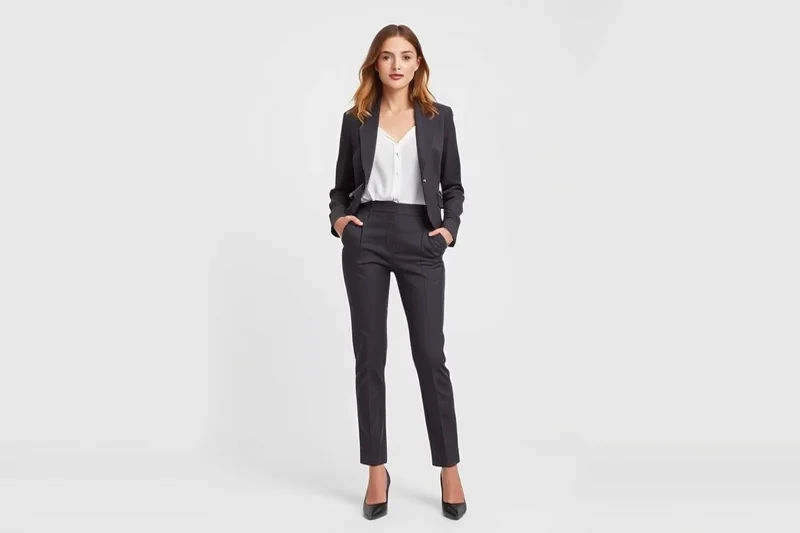
Even the best-designed petite sizes can sometimes require minor alterations to ensure a perfect fit. I found that when I had a dress tailored, it made a noticeable difference in how it looked and felt on my body. For instance, after a tailor adjusted the hemline of a dress by just 1.5 inches, it went from feeling slightly too long to being perfectly proportioned.
Tailoring isn't just about making a garment fit — it's also about ensuring that it looks good. I once had a blazer tailored, and the tailor adjusted the shoulder pads slightly, which made the blazer sit more comfortably on my frame and looked more structured. It was a small change, but it made a big difference in how the blazer appeared and how it felt when I wore it.
The cost of alterations can vary, but I found that on average, a basic alteration like hemming or adjusting the waist on a dress cost around $35 to $50. That’s an investment that, in my opinion, is worth it when you know your clothes are going to look and feel great on your body.[2]
A dress that fits perfectly can make you feel like a million dollars — and it's worth the cost of a little tailoring.
Related: Fashion for tall plus size women checklist
Choosing the Right Silhouettes for Petite Heights
I learned that not all silhouettes are created equal with petite frames. For example, I found that A-line skirts and dresses helped elongate my legs, whereas high-waisted trousers made my legs look shorter. I also noticed that boxy tops tended to overwhelm my frame, while fitted blouses helped me look more polished.
One of the most significant changes I made was switching from high-waisted pants to mid-rise styles. This small change helped me look taller and slimmer, without the added bulk of a high waist. Similarly, I started wearing more V-neck tops, which helped elongate my torso and create a more balanced look.
I also discovered that vertical patterns, like stripes or checkered prints, helped me look taller. I remember trying on a striped blazer and being amazed at how it visually stretched my frame. It was a revelation — something as simple as pattern choice could have such a profound effect on how I looked.
Steer clear of oversized silhouettes and high-waisted cuts if you're looking to elongate your frame. Opt for A-line skirts and fitted tops to enhance your proportions.
“I still remember the first time I tried on a dress that was explicitly labeled 'petite' — it was like a lightbulb moment.”— Mixedframe editors
Related: Style for petite plus size near me
The Role of Proportions in Petite Fashion
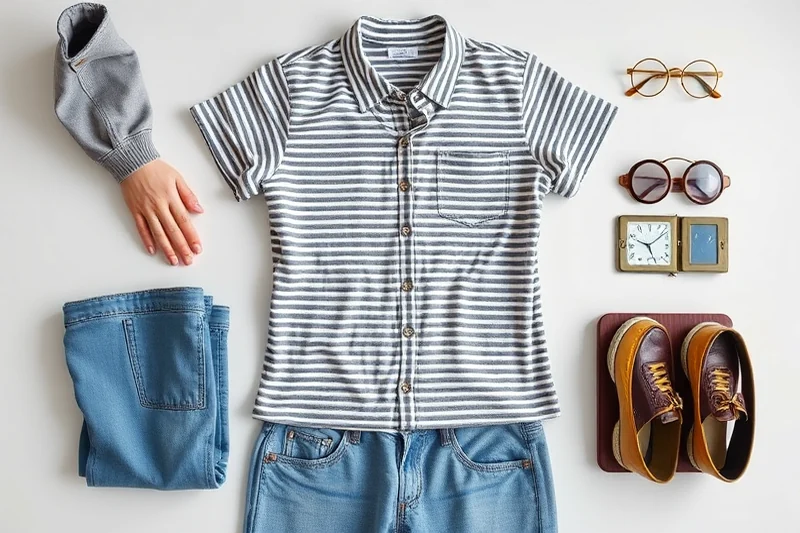
I used to think that proportions weren’t as important as fit, but I learned that they are crucial for petite frames. For example, I found that wearing belts around the waist helped define my figure and create a more balanced look. It was surprising how much of a difference a simple belt could make in how I looked in a dress or a top.
I also noticed that the length of sleeves and skirts matters a lot. For instance, I found that longer sleeves on blouses helped balance out shorter torsos, while shorter hemlines on skirts created a more youthful and energetic look. I started experimenting with different lengths and found that the right proportions could make a huge difference in how I felt about my clothing.
Another thing I learned was that the placement of details, like pockets or pleats, can also affect proportions. I found that wearing a dress with pleats on the sides helped elongate my legs, while a dress with a center pleat made my torso look shorter. Understanding these small details helped me build a wardrobe that looked more polished and balanced.
Related: Dress style for petite near me
How to Shop for Petite Sizes Without Wasting Time or Money
I used to waste a lot of time and money shopping for clothes that looked good on the rack but didn’t fit me well. Now, I know that the key to shopping for petite sizes is to focus on fit first. This means looking for brands that clearly outline their petite size ranges and understanding how those sizes translate to your height and body type.
One of the most helpful tips I learned was to always try on clothes in the store. Even if you're sure you're the right size, it's always better to see how the clothes fit in person. I once bought a pair of jeans online that looked perfect in the picture, but when I tried them on, the waistband was too tight and the inseam was too long. It was a lesson in why in-store shopping is still important.
Another tip is to look for brands that offer detailed size charts, including measurements for different parts of the body. This can help you choose the right size even if you're not sure about your measurements. I found that brands like Zara and H&M have detailed size guides that make it easier to choose the right fit.
⭐ Classic
The timeless method of tailoring with a focus on precision and detail.
💰 Budget
A low-cost approach to tailoring that still delivers great results.
⚡ Extra-Fast
A quick way to alter a garment with minimal time and effort.
✨ Depth
A detailed and comprehensive approach to tailoring for petite sizes.
🥗 Light
A minimalist method for tailoring that focuses on simplicity and function.
| The mistake | Why it happens | The fix |
|---|---|---|
| Assuming that all petite sizes are the same across brands. | Each brand has its own way of designing petite sizes, so it's important to check size charts and fit guidelines before purchasing. | Always refer to the brand's size chart and consider trying on clothes in person if possible. |
| Ignoring the importance of proportions when shopping for petite sizes. | Proportions are crucial for petite frames, and ignoring them can lead to clothes that look unbalanced or overwhelming. | Choose silhouettes that elongate your frame, like A-line skirts and fitted tops, and avoid overly boxy or bulky styles. |
| Not trying on clothes before buying. | Even if you think you're the right size, clothes can still fit poorly or look unflattering if you don't try them on. | Always try on clothes in person, especially if you're shopping for petite sizes. This will help you avoid the frustration of buying something that doesn’t fit. |
| Overlooking the importance of tailoring. | Even the best-designed petite sizes may not fit perfectly, and minor alterations can make a big difference in how a garment looks and feels on your body. | Be open to tailoring your clothes, even if they're labeled as petite. It can help you achieve a more customized and flattering fit. |
What You'll Need tap to check off
- 1 lb fabric
- ½ cup seam sealant
- tailoring pins to taste
Method tap a step when done
- Measure your body for accurate fitting.
- Purchase fabric that matches the original garment.
- Cut the fabric to the correct dimensions.
- Sew the new fabric into the garment using a sewing machine.
- Apply seam sealant to reinforce the seams.
- Try on the garment to ensure it fits perfectly.
Key Facts
Related: Best fashion for petite women
Height For Petite Sizes Examples
Related: Quick dress style for petite
Common Questions
How do I know if a brand's petite size is right for my height?
Can I wear a regular size if I'm petite?
What's the difference between petite and small sizes?
Do I need to tailor all my clothes?
References
- "Petite women: fit and body shape analysis" by Lisa Barona McRoberts (repository.lsu.edu)
- Petite size - Wikipedia (en.wikipedia.org)
Cite this guide
Mixedframe (2026). Height For Petite Sizes Examples. https://mixedframe.com/height-for-petite-sizes-examples/
Feel free to cite or share this guide.