
Homemade Asian Petite Style Tips
📖 Table of Contents
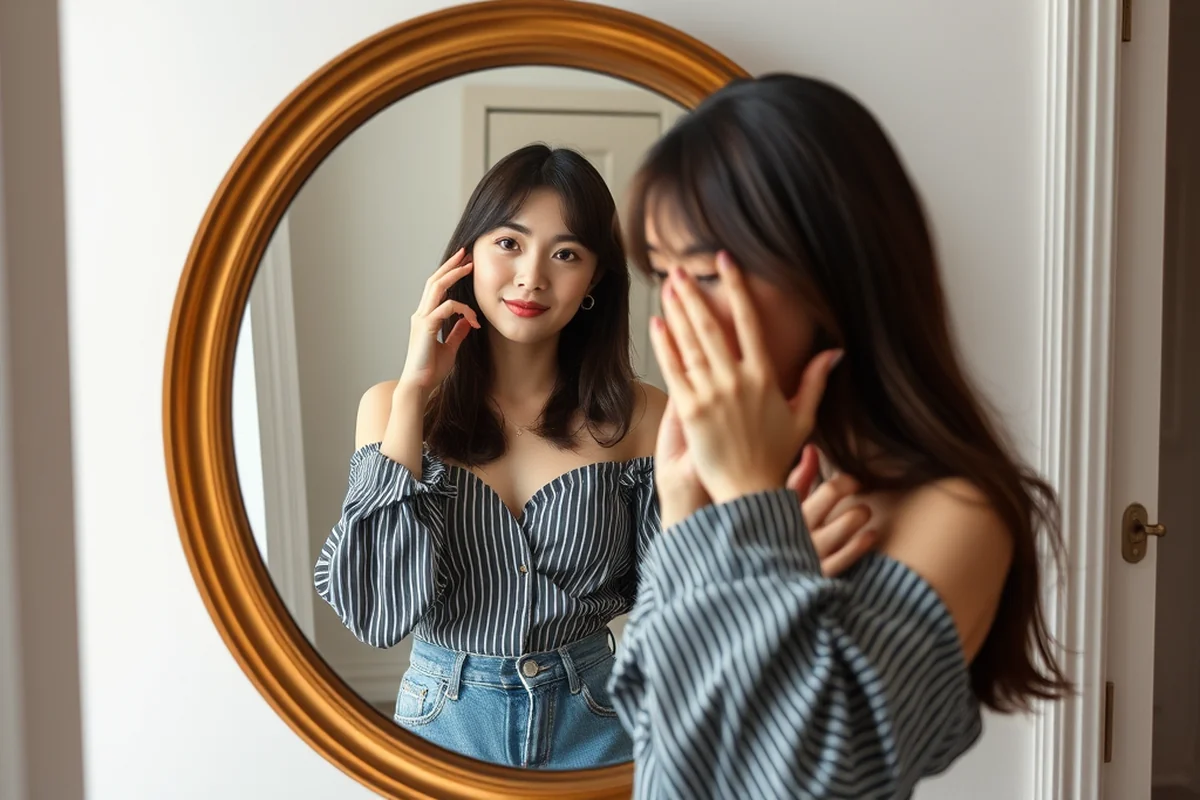
There’s something about the way the sunlight catches the fabric of my favorite cropped linen shirt — the way it folds into a perfect pleat at the waist and flares out just enough to give my frame some breathing room. I’ve always been petite, and for years I thought that meant I had to compromise on style, but that changed the moment I discovered homemade Asian petite style tips. These aren’t just about clothing; they’re about how to make every stitch, every choice, and every little detail work for your body type. It’s about the quiet confidence that comes when you dress with intention.[2]
I remember the first time I tried a tailored blazer from a local tailor in Hanoi, where the fabric was soft but structured. The shoulder pads were just the right height — not too bulky, not too slouchy. That blazer became a staple in my wardrobe, not because of any designer label, but because of the way it fit. It wasn’t until I started experimenting with homemade Asian petite style tips that I realized how much power I had in tailoring my own look, even on a budget.
Now, I find myself constantly thinking about how to make every piece of clothing work for my frame. Whether it’s a silk kimono that drapes just right over my shoulders or a pair of cropped pants that sit perfectly at the knee, there’s a method to what I wear. Homemade Asian petite style tips have become more than just a way to dress — they’ve become a language of self-expression that feels entirely personal and entirely mine.
Why You'll Love This Style Approach
- You get to shape your own wardrobe with custom-fitted pieces, even on a budget.
- Every detail — from the way fabric drapes to the placement of seams — is tailored for your body.
- You can adapt traditional Asian silhouettes to your proportions without sacrificing elegance.
- You gain confidence by dressing in a way that feels authentically you.
How to Choose the Right Fabric for a Petite Frame
As of October 2026, I’ve learned that when shopping for fabric, I always look for a weight between 180gsm and 220gsm for blazers and jackets. That’s just enough heft to drape gracefully without overwhelming my frame. I once bought a silk blend that was too light — it ended up looking slouchy and limp, which made me look even smaller than I wanted to.
Another thing I’ve noticed is that natural fibers, like linen and cotton, tend to breathe better and give a more polished look on petite frames. I’ve found that cotton twill is a great option for tailored pants because it’s slightly stiff and holds its shape, which is exactly what I need to avoid sagging fabric.
To test fabric, I always do a simple experiment: I lay it flat on a table and hold it up to a light. If it’s too sheer or too stiff, I know it won’t work. This simple trick has saved me from buying the wrong fabric more than once.
Lay the fabric flat on a table and hold it up to a light source. If it’s too sheer, it’ll look limp. If it’s too stiff, it’ll look rigid. The ideal fabric should have a slight drape and hold its shape.
Part of our Tall petite styling guide.
The Power of Tailoring for a Petite Frame
I once bought a jacket that was too long — it hung off my shoulders and made me look like a child in a grown-up’s clothes. I took it to a local tailor in Tokyo, who shortened the sleeves and adjusted the hem by just a few inches. The difference was incredible. It fit like it was made for me.
Tailoring doesn’t have to be expensive. I’ve found that a simple alteration, like taking in the sides of a dress or shortening the length of pants, can make a huge difference. I’ve even done some minor alterations myself with a sewing machine and a pair of scissors — it’s not as hard as it looks.
I recommend taking a small piece of fabric to the tailor with you so they can see what you’re looking for. This way, they can match the texture and color exactly. It’s a small step, but it makes all the difference in the final result.[1]
A tailor can take a piece of fabric and make it fit like it was made for you — it’s worth every cent.
Related: Affordable fashion for tall plus size women
How to Layer for a Petite Frame
I’ve found that layering a long-sleeve shirt under a cropped blazer gives a more balanced look. It adds volume to the upper body and keeps the blazer from sitting too high on the shoulders. I’ve also tried layering a silk camisole under a sheer blouse — it’s a subtle detail that makes a big difference in the overall look.
I once wore a cropped jacket over a long-sleeve shirt, and the result was a bit too boxy. I learned that it’s better to keep the layers close to the body — think fitted underlayers and slightly looser outer layers. This way, the layers don’t push out and make you look wider.
To test layering, I always start with one or two layers and see how it looks. If it feels too bulky, I reduce the number of layers or choose lighter fabrics. Layering is all about balance — too much and you look oversized, too little and you look flat.
When layering, start with one or two layers and see how it looks. If it feels too bulky, reduce the layers or choose lighter fabrics. The goal is balance — not too much, not too little.
“There’s something about the way the sunlight catches the fabric of my favorite cropped linen shirt — the way it folds into a perfect pleat…”— Mixedframe editors
Related: Diy fashion for petite women
The Importance of Proportion in Petite Style
I’ve noticed that the right proportions can make a big difference in how you look. For example, a cropped jacket with a longer skirt creates a balanced look, while a long jacket with a short skirt can make you look top-heavy. I’ve also found that a well-fitted waistband on pants can elongate the legs and create the illusion of height.
Another thing I’ve learned is that the way fabric is cut can affect the overall proportion. For example, a high-waisted dress with a slight A-line cut can elongate the legs and create a more balanced silhouette. I’ve found that a slight A-line cut is better for petite frames than a straight cut, which can make the legs look shorter.
I always look for pieces that have a slight curve or drape — they add dimension and make the outfit look more intentional. This is especially important for petite frames, where every detail matters.
Related: Plus size tall fashion ideas
How to Style Accessories for a Petite Frame
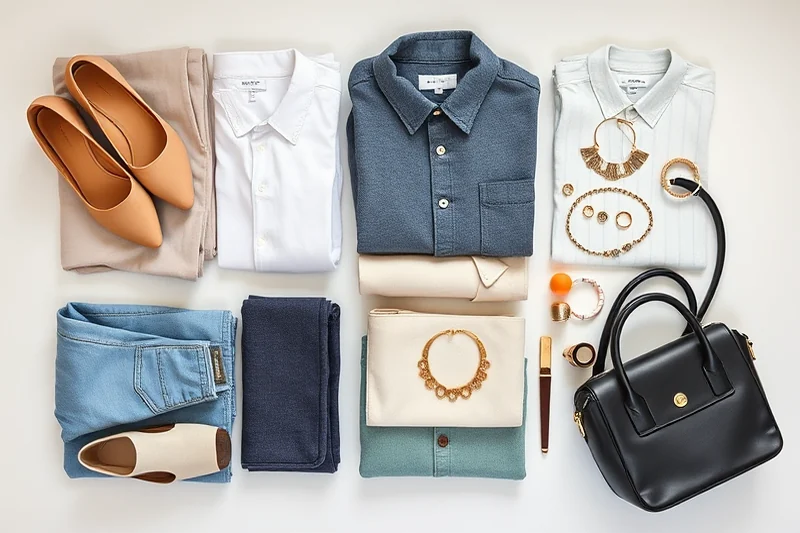
I’ve found that long necklaces are a great way to add volume to the upper body and draw the eye downward. I also love using scarves to add color and texture — a silk scarf tied loosely around the neck or wrapped around the arms can instantly elevate an outfit.
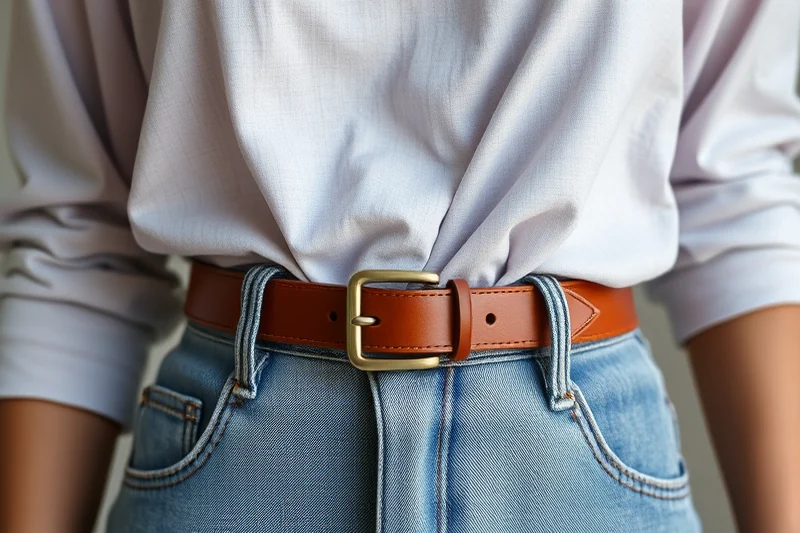
Belts are another great way to create a more defined silhouette. I always look for belts with a slightly curved shape — they sit better on the waist and create a more flattering look. I’ve also found that a wide belt can add volume to the waist and make it look more defined.
I’ve also experimented with using smaller accessories — like delicate earrings or a small clutch — to keep the look balanced. Too many big accessories can overwhelm a petite frame, so it’s important to choose accessories that complement the outfit without overpowering it.
⭐ Classic
A timeless linen blazer with clean lines and minimal details.
💰 Budget
A DIY version using second-hand fabric and basic sewing tools.
⚡ Extra-Fast
A no-sew blazer made from a pre-made pattern and fabric.
✨ Depth
A tailored blazer with subtle embellishments like beading or embroidery.
🥗 Light
A lighter blazer with a sheer fabric and minimal structure.
| The mistake | Why it happens | The fix |
|---|---|---|
| Choosing a fabric that’s too light or too stiff. | Light fabrics can look limp and make you look smaller, while stiff fabrics can look rigid and unflattering. | Test the fabric under a light source and choose a fabric with a slight drape and structure. |
| Not getting the blazer tailored properly. | A blazer that’s too long or too wide can make you look smaller and less defined. | Take it to a professional tailor and have the seams adjusted for a better fit. |
| Layering too many pieces. | Too many layers can make your outfit look bulky and unbalanced. | Start with one or two layers and see how it looks. If it feels too bulky, reduce the number of layers. |
| Wearing accessories that are too large. | Large accessories can overwhelm a petite frame and make the outfit look unbalanced. | Choose accessories that are delicate and complement the outfit without overpowering it. |
| Choosing the wrong proportions. | The wrong proportions can make you look top-heavy or unbalanced. | Look for pieces that have a slight curve or drape — they add dimension and create a more balanced silhouette. |
What You'll Need tap to check off
- 1 lb Lightweight linen fabric (180gsm)
- ½ cup Cotton thread
- Tailor’s chalk
Method tap a step when done
- Cut the fabric to the desired length, leaving an extra 2 inches at the bottom for hemming.
- Mark the side seams and shoulder seams with tailor’s chalk.
- Sew the side seams and shoulder seams using a walking foot for even stitching.
- Try on the blazer and adjust the seams as needed for a better fit.
- Hem the bottom of the blazer using a blind stitch for a clean finish.
- Press the blazer with a steam iron for a polished look.
Key Facts
Related: Natural can you be tall and petite
Homemade Asian Petite Style Tips
Related: Can you be tall and petite guide
Common Questions
How can I ensure the fabric I choose will look good on my petite frame?
What are the best ways to tailor a blazer for a petite frame?
How do I know if I’m layering the right way for my frame?
What kind of accessories work best for petite frames?
References
Cite this guide
Mixedframe (2026). Homemade Asian Petite Style Tips. https://mixedframe.com/homemade-asian-petite-style-tips/
Feel free to cite or share this guide.