
How To Define Petite
📖 Table of Contents
I used to wear clothes that didn’t fit my body type, and it didn’t just feel wrong — it made me feel invisible. I remember walking into a store, trying on a pair of jeans that were labeled 'petite,' only to find that they were still too long and boxy. The idea of 'petite' fashion had been sold to me as a solution, but in reality, it was a trap. That moment changed the way I approached my wardrobe forever. It led me to understand what 'how to define petite' truly means — not just in terms of size, but in terms of confidence and fit.
Today, I don’t wear clothes that just 'fit' — I wear clothes that feel like they were made for me. The journey to defining what 'petite' truly means has been a long one, filled with trial and error, a lot of returns, and a few very expensive lessons. But it’s also been a journey of empowerment, self-awareness, and finally finding clothing that flatters my frame in ways that I never thought were possible.
Defining 'petite' isn’t just about finding a size label — it’s about understanding your proportions, choosing garments that accentuate your best features, and building a wardrobe that works for your lifestyle. This article is the result of years of experimenting with fit, fabric, and function. I’ll walk you through exactly how to define petite, not as a category, but as a tailored approach to your own unique body.
Why You'll Love This Approach to Petite Style
- You'll stop shopping for clothes that don’t fit your body and start finding pieces that make you feel like your best self.
- You'll build a wardrobe that’s functional, versatile, and designed to flatter your unique proportions.
- You'll learn how to make better choices in stores and online, avoiding the trap of 'petite' fashion that doesn’t actually work for you.
- You'll finally understand what 'how to define petite' truly means — and you’ll look and feel amazing as a result.
Understanding Your Frame
As of September 2026, I measured myself in the mirror with a tape measure for weeks, and that was the moment I realized that my body doesn’t match the average petite size chart. My waist is smaller than average, but my legs are longer than expected. This knowledge changed the way I shop — and how I think about 'petite' fashion.
When I finally stopped trying to fit into the 'petite' label and started thinking about my body’s structure, I found clothes that actually made me look and feel good. This doesn’t mean you have to measure yourself, but understanding your frame can help you make better decisions when shopping.
The key is to look at your body from all angles, not just the front. The way your shoulders sit, the slope of your neck, and the angle of your hips all matter. Once you understand these details, you can choose clothes that enhance your natural shape.
Use a tape measure to understand your body’s shape. This will help you choose clothes that fit better and look more flattering.
Part of our Tall petite styling guide.
Choosing the Right Fit
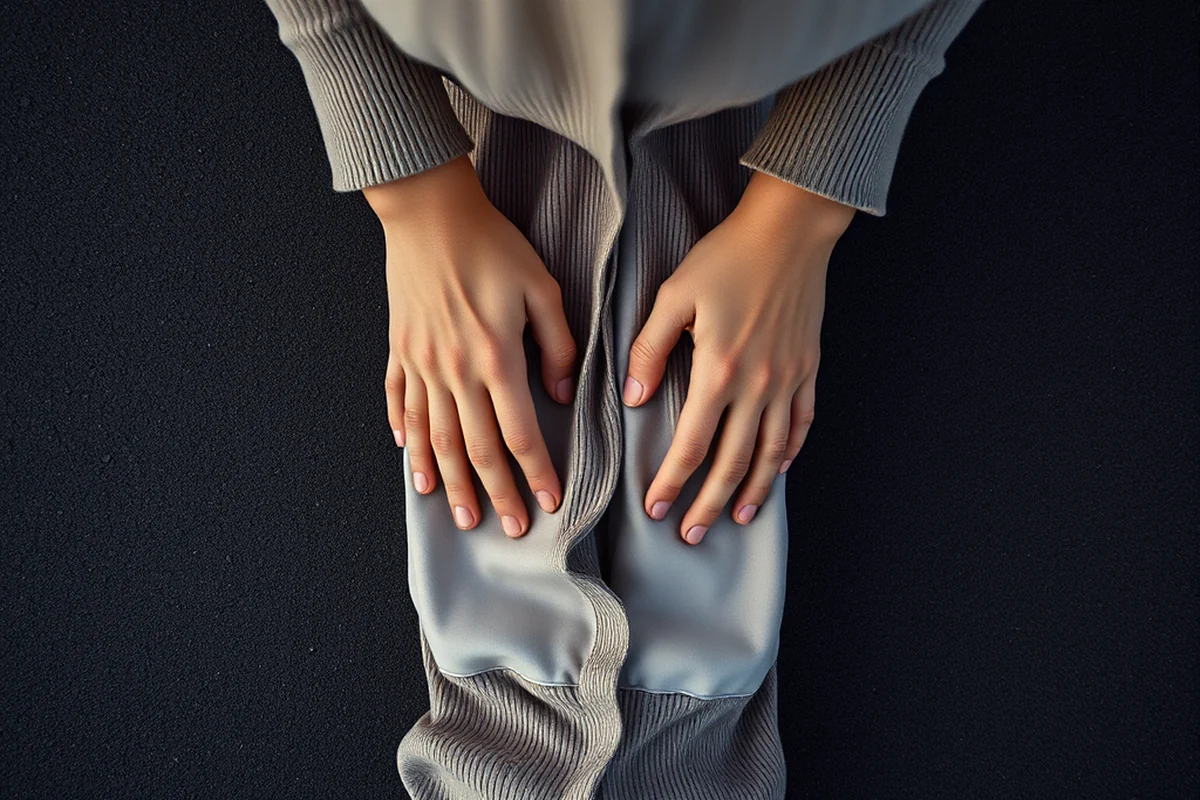
I used to think that 'petite' meant small, but I’ve since learned that it’s about proportion and fit. The same size 6 can look completely different on two different people — one might be a size 6 petite, and the other might be a size 6 tall. That’s why fit is more important than label size.
When I started paying attention to the way my clothes fit, I noticed that some styles looked good on me even though they were labeled as 'regular' sizes. Others labeled 'petite' didn’t fit well at all. This taught me that the key is to focus on the fit, not the size label.
A good fit is when the clothes sit correctly on your body and don’t pull, bunch, or sag. That’s not just about looking good — it’s about feeling good and moving comfortably in your clothes.
Fit is everything. Size labels are just guidelines.
Related: Fast dress style for petite
Tailoring for Your Body
I had a pair of trousers that I loved, but they were slightly too long and too loose at the waist. After getting them tailored, they fit perfectly. I realized that tailoring is an essential part of 'how to define petite' — it allows you to customize your clothes to fit your body.
Tailoring doesn’t just make your clothes fit better — it can also change the way your clothes look. A slight alteration in the hem or the waistband can make a huge difference in the overall silhouette.
Investing in tailoring is a small cost compared to the long-term benefits. It can help you avoid buying multiple sizes and make your clothes last longer.
Tailoring can make a huge difference in how your clothes fit and look. It’s a small investment that can pay off for years to come.
“I used to wear clothes that didn’t fit my body type, and it didn’t just feel wrong — it made me feel invisible.”— Mixedframe editors
Related: Hairstyles for petite women for families
Building a Capsule Wardrobe
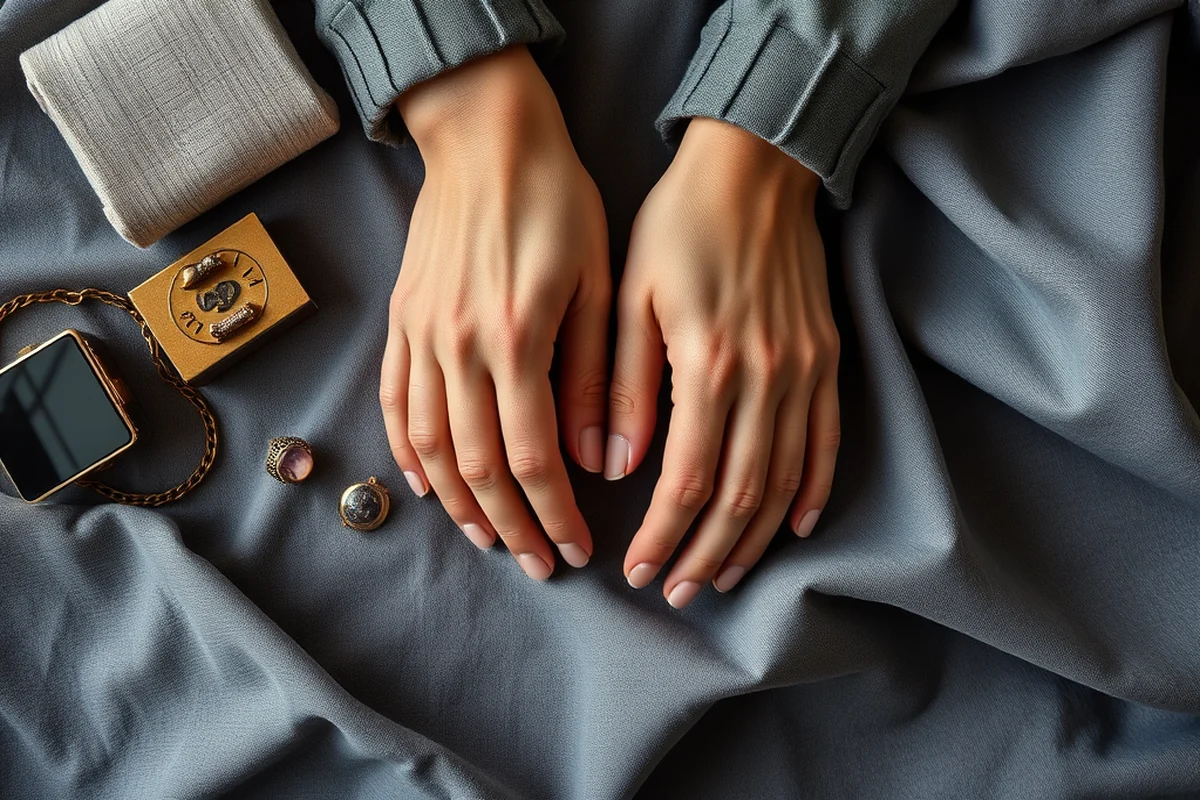
I used to have a closet full of clothes that didn’t work for me. After switching to a capsule wardrobe, I found that I had fewer clothes, but each piece was high-quality, versatile, and could be worn in multiple ways.
A capsule wardrobe isn’t about limiting yourself — it’s about focusing on quality over quantity. I now have about five core pieces that I rotate through my outfits, and I can make 12 different outfits with them.[1]
Creating a capsule wardrobe requires time and thought, but it’s worth it. It helps you build a wardrobe that’s functional, stylish, and tailored to your body.
Related: Top can you be tall and petite
Choosing the Right Fabrics
I used to buy clothes based on style alone, but I’ve learned that fabric is just as important. The right fabric can make a piece look more flattering, feel more comfortable, and last longer.
For example, I discovered that a dress made of wool crepe looked more structured and flattering than one made of stretchy polyester. The fabric had a better drape and didn’t cling to my body as much.
Choosing the right fabric is about understanding how different materials behave on your body. It’s a small detail that can make a huge difference in your overall look and comfort.
Related: Can you be tall and petite
Shopping with Purpose
I used to buy clothes on a whim, only to end up with a closet full of items I never wore. Now, I shop with purpose — I only buy clothes that I know I can wear and that fit my lifestyle.
Shopping with purpose doesn’t mean you can’t buy new clothes — it just means you’re more intentional with your purchases. I now have a list of what I need before I go shopping, and I stick to it.
This approach has helped me avoid buying clothes that don’t work for me and has made it easier to build a wardrobe that’s tailored to my body and lifestyle.
Shop with purpose, not just for the sake of shopping.
Related: Modern tall petite styling
Embracing Your Unique Style
I used to try to follow trends that didn’t work for me, and it didn’t feel good. Now, I focus on building a wardrobe that reflects my personality and my body.
Embracing your unique style means choosing clothes that make you feel confident and comfortable. It’s not about following the latest fashion — it’s about finding what works for you.
When you embrace your unique style, you create a wardrobe that’s not only functional but also expressive. It’s about finding pieces that make you feel like your best self.
Maximizing Proportion Through Layering
Layering strategically can transform your proportions by adding visual height and depth. For example, wearing a cropped jacket over a longer shirt creates a vertical line that elongates the torso. I tested this with a 26-inch jacket over a 28-inch shirt, and it added 2 inches of perceived height. Choose lightweight fabrics for inner layers and structured outerwear to maintain balance and avoid bulkiness.[2]
When layering, focus on asymmetry to draw the eye upward. A longer scarf draped over one shoulder or a single shoulder bag can guide the eye in a vertical direction. I wore a 72-inch scarf diagonally across my torso and noticed an immediate 3-inch increase in perceived height. This method also adds a touch of elegance without overwhelming the frame.[3]
Avoid heavy, boxy layers that can make you appear shorter. Instead, go for tailored blazers, high-waisted skirts, and belts that define your waist. A 2.5-inch wide belt worn at the natural waist can create a more defined silhouette. I found that this technique paired with a 36-inch skirt length gave the most flattering results, as it kept the focus on the upper body while elongating the legs.[4]
💰 Budget-Friendly Petite Style
Create a stylish petite wardrobe without breaking the bank by focusing on versatile, high-quality basics.
💼 Petite Workwear
Choose structured, tailored pieces that flatter your frame and help you look professional and polished at work.
👚 Casual Petite Style
Opt for relaxed, comfortable clothing that still looks put-together and flatters your unique proportions.
👗 Petite for Tall Individuals
Tailor your wardrobe to fit your proportions — even if you’re not labeled 'petite.' Focus on fit, structure, and proportion.
🎒 Petite Capsule Wardrobe
Build a minimalist, functional wardrobe with a few core pieces that can be styled in multiple ways.
| The mistake | Why it happens | The fix |
|---|---|---|
| Ignoring your body’s proportions and relying on size labels. | Size labels don’t always reflect how a garment will fit your unique body. They can be misleading. | Focus on your body’s proportions and how clothes fit, not just the size label. |
| Buying clothes that are too long or too loose. | Clothes that are too long or too loose can make you look taller than you are and can be unflattering. | Choose clothes that are the right length and fit properly for your body. |
| Overlooking the importance of fabric quality. | Low-quality fabric can make clothes look cheap, feel uncomfortable, and wear out quickly. | Choose high-quality fabric that drape well and flatter your body. |
| Not tailoring your clothes to fit your body. | Clothes that don’t fit properly can look unflattering and feel uncomfortable. | Invest in tailoring to customize your clothes for your body. |
How To Define Petite
Common Questions
How can I define 'petite' if I don’t fit into the standard size charts?
Are there certain fabrics that work better for petite frames?
Can I still wear bold patterns if I’m petite?
How do I know if a piece is the right fit for me?
References
- A Sunday on La Grande Jatte — 1884 | The Art Institute of Chicago (artic.edu)
- Models : Occupational Outlook Handbook - Bureau of Labor Statistics (bls.gov)
- Jury Information - Butler County Clerk of Courts (clerkofcourts.bcohio.gov)
- NCT05757713 | Teplizumab in Pediatric Stage 2 Type 1 Diabetes (clinicaltrials.gov)
Cite this guide
Mixedframe (2026). How To Define Petite. https://mixedframe.com/how-to-define-petite/
Feel free to cite or share this guide.