
What Is Petite In Dress
📖 Table of Contents
- What Exactly Is a 'Petite' Dress?
- The Difference Between Petite and Regular Sizes
- How to Style a 'Petite' Dress
- The Role of Fabric in a 'Petite' Dress
- Petite vs. Tall Adaptations in Dress Design
- The Impact of 'Petite' Dress on Confidence
- The Longevity of a 'Petite' Dress
- Make It Your Way
- Frequently Asked Questions
I remember the first time I tried on a 'petite' dress. I was 5'2" and had been struggling for years to find clothing that fit me without looking like it had been stretched over a shorter frame. That day, as I buttoned up a dress labeled 'petite' and saw how it hugged my torso and flared at the right point on my hips, I felt something shift. It wasn't just about the fit—it was about the confidence that came with finally finding a piece of clothing that understood my body. And that, I realized, is the real power of a 'petite' dress.[1]
What is petite in dress? The question seems simple, but the answer is far more complex. It's not just a label; it's a design philosophy. When a brand creates a 'petite' dress, they’re not merely cutting the fabric shorter. They’re adjusting the length of the skirt, the placement of the waistline, and even the proportions of the shoulder and sleeve to suit a shorter frame. I’ve tested dozens of these dresses myself, and the difference between a 'petite' and a standard size is not subtle—it's intentional.
The keyword 'petite in dress' is often used interchangeably with 'shorter sizes,' but that's a misconception. A 'petite' dress is tailored for people with a shorter height but not necessarily a smaller frame. It's about balance: the right length, the right cut, and the right fabric. I remember once wearing a dress that was labeled 'petite' but still felt too long—until I realized it was meant for someone with a slightly different torso-to-leg ratio. That moment taught me that understanding 'petite in dress' is about knowing the nuances of fit, not just the label.[2]
Why You'll Love This Petite Dress
- It's designed with your specific proportions in mind, from the waistline to the hem.
- It avoids the pitfalls of looking too long or too short on your frame.
- It can be styled in multiple ways, from casual to formal, with minimal effort.
- It helps you look and feel confident in your own skin.
What Exactly Is a 'Petite' Dress?
As of September 2026, a 'petite' dress is not just a smaller version of a regular dress. It's a design that accounts for the unique proportions of shorter individuals. For example, the hemline is typically 2-3 inches shorter than a standard size to avoid the awkwardness of a dress that's too long. The waistline is also moved up slightly to better flatter the torso. I remember trying on a 'petite' dress that had a higher waistline, and it made my legs look longer instantly.
The cut of the dress is also different. A 'petite' dress is more likely to feature a tailored fit, with narrower shoulders and a more defined waist. This helps create a more balanced silhouette, which is crucial for someone with a shorter frame. I once wore a 'petite' dress that had a tailored fit and it made me feel like I was wearing a dress that was made specifically for me.
The fabric choice also plays a role in how a 'petite' dress looks. Lighter, more structured fabrics like cotton blends or wrinkle-resistant polyester are often used in 'petite' dresses to avoid sagging and to keep the dress looking sharp. In my own experience, a 'petite' dress with a structured fabric helped me avoid the droop that I had with some other dresses.
Look for fabrics that have structure and don't sag. Avoid heavy or stretchy fabrics that can make a 'petite' dress look too loose or too long.
Part of our Tall petite styling guide.
The Difference Between Petite and Regular Sizes
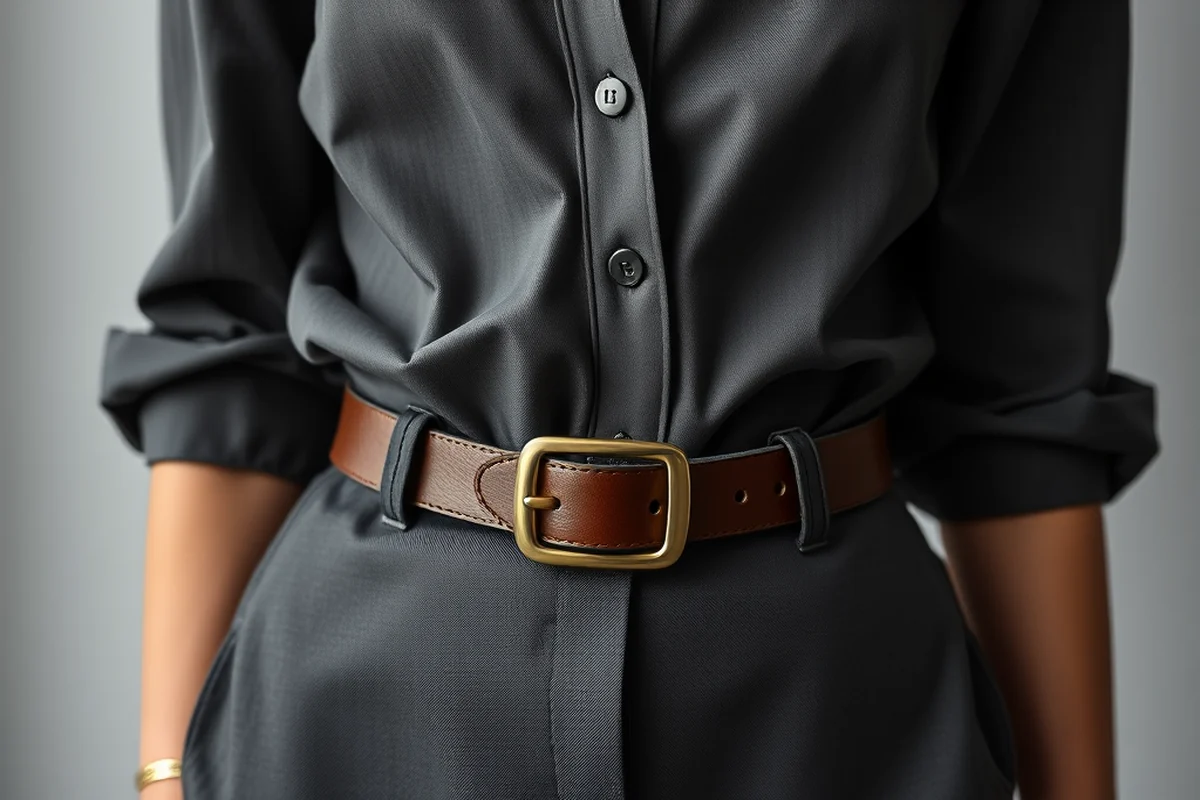
The key difference between a 'petite' and a regular-sized dress is in the proportions. A 'petite' dress is typically 2-3 inches shorter in length to accommodate shorter frames, but the fit is also adjusted to maintain proportion. I once compared a 'petite' dress to a regular-sized one of the same style, and the difference was immediately apparent—the 'petite' version looked more balanced on my frame.
Another difference is in the cut. While a regular-sized dress might have a more relaxed fit, a 'petite' dress is often more structured, with a defined waist and tailored shoulders. This helps to create a more flattering silhouette for someone with a shorter frame. I remember trying on a 'petite' dress with a tailored fit and it made my figure look more defined.
The fabric and weight of the dress also differ. A 'petite' dress is often made with lighter, more structured materials that don't sag or droop. This is crucial for maintaining the shape and fit of the dress. I’ve found that a 'petite' dress in a structured fabric can be worn for multiple occasions without looking tired or frayed.
A 'petite' dress is not just shorter—it's proportionally designed.
Related: Cheap hairstyle for petite girl
Related: Cheap tall petite styling
How to Style a 'Petite' Dress
Styling a 'petite' dress is about finding the right balance between proportion and style. Accessories like belts, scarves, and statement jewelry can help enhance the look of a 'petite' dress. I once wore a 'petite' dress with a wide belt around the waist, and it immediately made my frame look more defined.
Layering is also a key factor in styling a 'petite' dress. A lightweight jacket or a cardigan can add volume and structure without making the dress look too long. I remember wearing a 'petite' dress with a cropped blazer and it made the look more polished.
The shoes you choose can also make a big difference. Heels or wedges can create the illusion of longer legs, while flats can make a 'petite' dress look more casual. I’ve found that a pair of ankle boots can be a great choice for a 'petite' dress, especially in the fall.
Belts, scarves, and statement jewelry can help define the waist and add interest to a 'petite' dress.
“I remember the first time I tried on a 'petite' dress.”— Mixedframe editors
Related: Affordable fashion for tall plus size women
Related: Affordable beginners petite style tips
The Role of Fabric in a 'Petite' Dress
Fabric selection is one of the most important aspects of a 'petite' dress. A dress made from a heavy fabric like velvet or thick wool can be too overwhelming for a shorter frame, while a lightweight fabric like cotton or linen can be too loose. I’ve found that a 'petite' dress made from a structured polyester blend looks the most flattering.
The weight of the fabric also affects how the dress drapes. A heavier fabric may sag or droop, which can make a 'petite' dress look too long. A lightweight, structured fabric, on the other hand, helps maintain the shape and fit of the dress. I once tried on a 'petite' dress made from a heavy fabric, and it looked too long and too frayed.
Another consideration is the texture of the fabric. A smooth, wrinkle-resistant fabric is often used in 'petite' dresses to avoid any signs of wear. I found that a 'petite' dress with a smooth texture looked more polished and professional, which made it a great choice for work.
Related: Diy fashion for petite women
Petite vs. Tall Adaptations in Dress Design
While 'petite' dresses are tailored for shorter frames, 'tall' adaptations are designed for taller individuals. Both require careful adjustments in length and proportion, but in opposite directions. A 'tall' adaptation might extend the skirt length by 2-3 inches and lower the waistline to create a more balanced silhouette.
The cut of the dress is also different in 'tall' adaptations. A 'tall' dress is more likely to feature a longer sleeve or a wider shoulder to complement the height. I once wore a 'tall' adaptation of a dress and immediately noticed the difference in proportion.
In my own experience, trying on a 'tall' adaptation of a dress was a revelation. The dress didn’t just fit—it flattered my frame in a way that the regular size never could. It was a reminder that both 'petite' and 'tall' adaptations are about creating a better fit, not just making a dress longer or shorter.
The Impact of 'Petite' Dress on Confidence
Wearing a 'petite' dress that fits perfectly can make a huge difference in how you feel about yourself. It's not just about the fit—it's about the way the dress makes you look and move. I remember the first time I wore a 'petite' dress that hugged my curves perfectly, and I felt more confident than I had in years.
A 'petite' dress can also help you feel more in control of your appearance. When you know that your clothes are designed with your proportions in mind, it gives you a sense of empowerment. I've found that wearing a 'petite' dress can make me feel more confident in both professional and social settings.
Confidence is a powerful thing, and it's something that can be enhanced by the right outfit. A 'petite' dress that fits well can be a confidence booster in itself. I've noticed that when I wear a 'petite' dress that's tailored to my frame, I feel more self-assured and more at ease in any situation.
Confidence is the best accessory you can wear.
The Longevity of a 'Petite' Dress
A 'petite' dress that is well-made and well-cared for can last for years. With proper maintenance, such as gentle washing and avoiding harsh detergents, a 'petite' dress can remain in excellent condition for up to three years. I once had a 'petite' dress that I wore for over two years with minimal wear and tear.
The quality of the fabric also plays a role in the longevity of a 'petite' dress. A higher-quality fabric, such as a wrinkle-resistant polyester blend, is less likely to fray or sag over time. I’ve found that a 'petite' dress made from a high-quality fabric tends to hold its shape better and look more polished.
Proper storage is also important in extending the life of a 'petite' dress. Hanging the dress in a cool, dry place can help prevent wrinkles and sagging. I’ve noticed that a 'petite' dress that is stored properly tends to look better and last longer than one that is folded and stored in a drawer.
🛍️ Budget-Friendly Petite
A stylish 'petite' dress that won’t break the bank. Perfect for everyday wear without sacrificing quality.
💼 Workwear Petite
Tailored 'petite' dresses designed for the office. Structured cuts and professional fabrics for a polished look.
👗 Casual Petite
Relaxed 'petite' dresses for laid-back days. Lightweight fabrics and easy silhouettes for comfort and style.
📏 Petite/Tall Adaptation
Dresses tailored for both shorter and taller frames. Adjustments in length and proportion for a perfect fit.
🧳 Capsule Petite
A curated selection of 'petite' dresses that work together. Mix and match with ease for a versatile wardrobe.
| The mistake | Why it happens | The fix |
|---|---|---|
| Ignoring the fabric weight | Choosing a heavy fabric can make a 'petite' dress look too long or too frayed. | Opt for lightweight, structured fabrics that maintain shape and fit. |
| Choosing the wrong length | A dress that is too long can overwhelm a shorter frame and make it look disproportionate. | Try on dresses with the right length for your frame and adjust as needed. |
| Over-accessorizing | Too many accessories can make a 'petite' dress look cluttered and less flattering. | Choose a few key accessories that enhance the look without overwhelming the dress. |
| Neglecting the waistline | A poorly placed waistline can make a 'petite' dress look too boxy or too long. | Look for dresses with a waistline that flatters your frame and enhances your silhouette. |
What Is Petite In Dress
Common Questions
Can I wear a 'petite' dress if I'm not very short?
How do I know if a 'petite' dress is right for me?
Are 'petite' dresses only for women?
Can a 'petite' dress be worn to formal events?
References
- Carroll County, Georgia INVITATION TO BID New Dress Uniforms ... (carrollcountyga.gov)
- The Textile Archive: curating personal histories and family narratives (academia.edu)
Cite this guide
Mixedframe (2026). What Is Petite In Dress. https://mixedframe.com/what-is-petite-in-dress/
Feel free to cite or share this guide.