
What Is Petite Clothes
📖 Table of Contents
- What Exactly Are Petite Clothes?
- How to Identify If You’re a Good Candidate for Petite Clothing
- How to Shop for Petite Clothes
- The Benefits of Wearing Petite Clothes
- How to Style Petite Clothes for a Polished Look
- The Importance of Fit in Petite Clothes
- How to Build a Capsule Wardrobe with Petite Clothes
- Make It Your Way
- Frequently Asked Questions
I remember the first time I tried on a pair of petite jeans and felt like I had finally found something that fit me properly. I'm 5'2" and have always struggled with finding clothes that didn't make me look like I was drowning in fabric. Petite clothes are not just for people who are short — they're a tailored solution for those who want a better fit and a more polished look.
Petite clothes are a category of clothing designed specifically for individuals with shorter proportions. They are not simply smaller versions of regular-sized clothes, but they’re cut and tailored differently to flatter the body's proportions. If you’ve ever felt like your clothes are either too long or too loose in the wrong places, you might be a good candidate for petite clothing.[1]
What I love about petite clothes is that they offer a more intentional fit. They take into account the nuances of shorter stature — things like sleeve length, hem placement, and waistband height. These details may seem small, but they make a world of difference in how a garment looks and feels on your body.
Why You'll Love This Guide to Petite Clothes
- Find clothes that actually fit your body, not just smaller versions of regular sizes.
- Achieve a more polished, tailored look with precision-cut details.
- Save time and money by investing in well-fitting garments that last longer.
- Build a capsule wardrobe that works for your body type and lifestyle.
What Exactly Are Petite Clothes?
As of September 2026, Petite clothes are not simply smaller sizes; they are specifically tailored for people with shorter torsos and limbs. This means that the length of the sleeves, pants, and even the rise of the waistband are adjusted to create a more flattering fit. I’ve noticed that petite clothes often have a shorter inseam and a slightly higher waistband, which helps prevent the pants from sagging or pooling at the hips.
When I first started shopping for petite clothes, I was skeptical. I had assumed that petite sizes were just smaller in all aspects, but that’s not the case. For example, a petite jacket might be slightly shorter in length but not necessarily narrower in the shoulders or sleeves. This attention to detail can make a significant difference in how an outfit looks and feels on your body.
One of the most important aspects of petite clothes is that they’re designed with the intention of making you look and feel your best. They take into account not just your height, but also your body type and the way your clothes drape and move on your body.
Take your body measurements and compare them to the brand's size chart — this will help you find the best fit. Measure your torso, inseam, and sleeve length to get the most accurate results.
How to Identify If You’re a Good Candidate for Petite Clothing
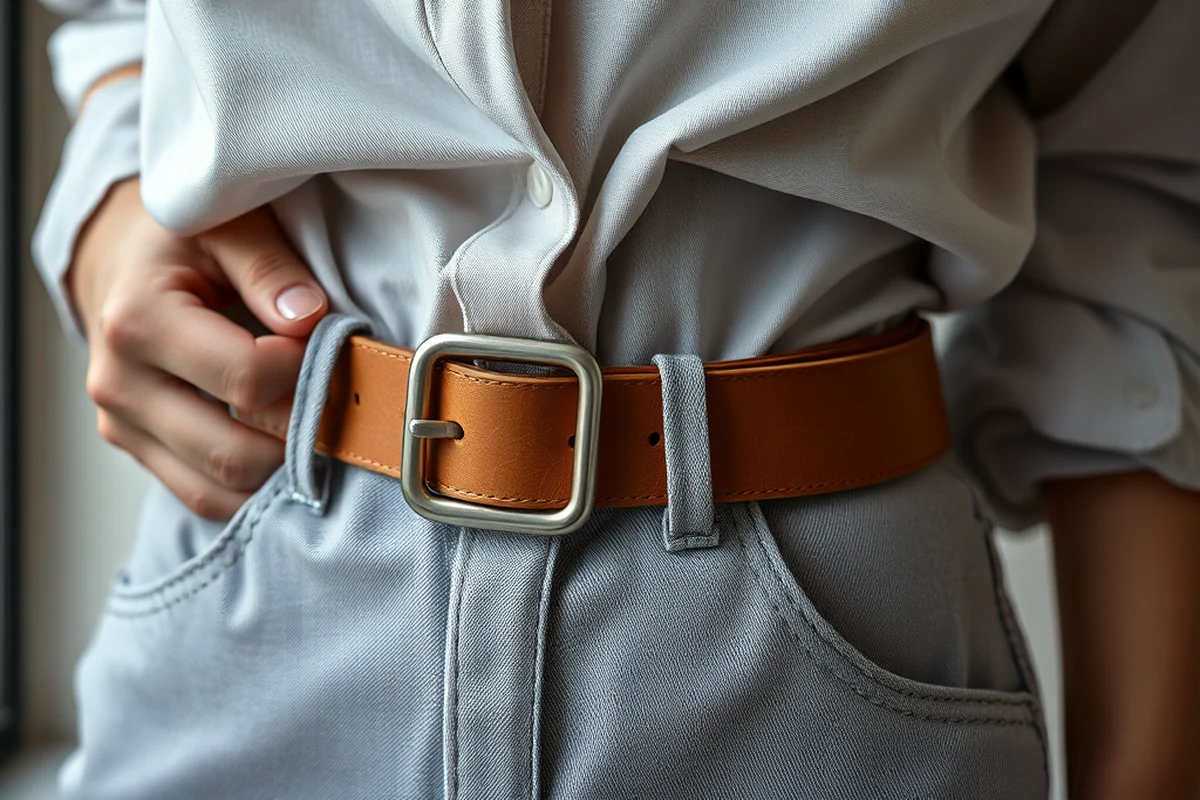
Petite clothes are typically designed for individuals who are shorter than average — generally 5'4" and below. But it’s not just about height; it’s also about how your clothes fit. If you’ve ever noticed that your shirts are too long in the sleeve or your pants always hang below your knee, you may be a good candidate for petite sizes.
I used to think that petite clothes were only for very short people, but after trying a few different brands, I realized that they can work for a wide range of heights. For instance, I’m 5'2" and find that petite clothes are just right for me. But someone who is 5'5" might also benefit from petite sizes if their torso is shorter or their arms are proportionally shorter.
Another way to tell if you might need petite clothes is to look at how your regular-sized clothes fit. If your clothes tend to be loose in the upper body and too long in the legs, it might be worth trying petite sizes.
Petite clothes are not just for short people — they're for anyone who wants a better fit.
Related: Fashion for plus size teenagers that work
Related: What is petite clothing for women
Related: What is petite fashion
How to Shop for Petite Clothes
I’ve learned that shopping for petite clothes is a bit different than shopping for regular sizes. You’ll need to be more intentional about how you choose your clothes. Start by looking for brands that specifically offer petite sizes — this will ensure that the clothes are cut and tailored for shorter proportions.
It’s also important to pay attention to the fit of the clothes. For example, if you're buying a dress, look for one that has a higher waistline and a shorter hem. These details can make a big difference in how the dress looks on your body. I’ve found that some brands also offer petite sizes in their classic lines, so you don’t have to limit yourself to only petite-specific collections.
Another tip is to read the size charts carefully. I’ve made the mistake of assuming that a petite size is the same as a regular small, but that’s not always the case. Different brands may have slightly different measurements, so it’s always a good idea to compare the size chart to your own measurements.
When shopping, look for brands that explicitly list petite sizes on their website. This makes it easier to find clothing that’s tailored to your body type.
“I remember the first time I tried on a pair of petite jeans and felt like I had finally found something that fit me properly.”— Mixedframe editors
Related: Diy fashion for plus size teenagers
The Benefits of Wearing Petite Clothes
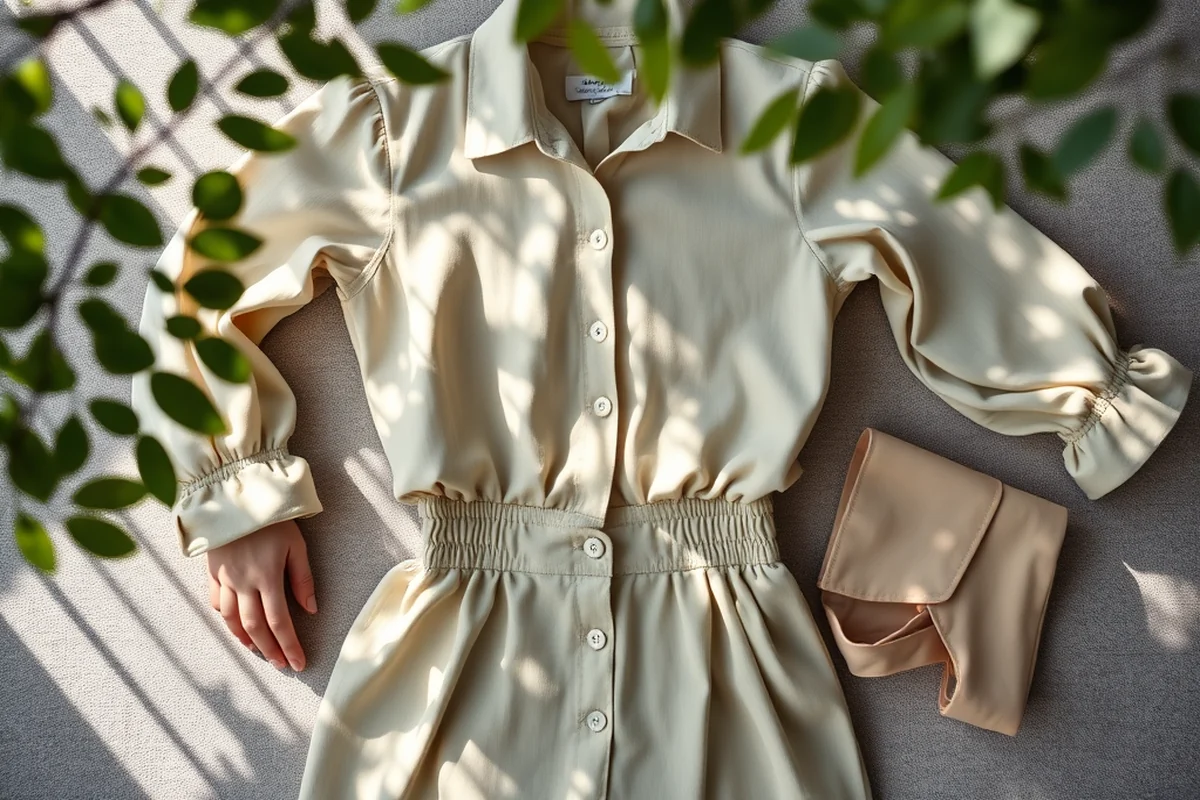
One of the biggest benefits of wearing petite clothes is that they are designed to fit your body more precisely. This can help you achieve a more polished and put-together look without having to alter your clothes or spend hours trying to adjust them. I’ve found that petite clothes can make a significant difference in how I look in my everyday outfits.
Another benefit is that petite clothes are often more flattering. Because they’re designed with shorter proportions in mind, they can help you avoid some of the common fitting issues that come with regular-sized clothes. For example, a petite blouse might have a slightly shorter length and a higher neckline, which can help create a more balanced look.
I’ve also noticed that petite clothes can make it easier to build a capsule wardrobe. Because they’re designed to fit your body better, you’re more likely to find clothes that you’ll actually wear and that will last longer. This can save you time and money in the long run.
How to Style Petite Clothes for a Polished Look
Styling petite clothes is all about creating a balanced look. Because the clothes are shorter in length, it’s important to avoid making your outfit look too top-heavy. I’ve found that adding some volume at the bottom — like a skirt or trousers with a bit of structure — can help balance out the proportions of your outfit.
Another tip is to choose clothing that has a bit of texture or pattern. This can help draw the eye away from the shorter length of the clothes and create a more dynamic look. I love pairing a cropped blouse with a structured blazer and wide-leg trousers — it gives the outfit more depth and dimension.
Accessories also play a big role in styling petite clothes. A statement belt can help define your waist, and a pair of heels can add some height and elongate your silhouette. I’ve found that adding a few well-chosen accessories can make a big difference in how your outfit looks.
The Importance of Fit in Petite Clothes
Fit is everything with petite clothes. These garments are designed with the intention of creating a more flattering silhouette, so it's important to pay attention to how they fit on your body. I’ve found that even the smallest detail — like a slightly higher waistband or a shorter sleeve — can make a big difference in how a garment looks and feels.
When shopping for petite clothes, I always try to find pieces that have a good amount of structure and support. This helps prevent clothes from sagging or pooling in the wrong places. For example, a well-fitted blazer with a structured shoulder can help create a more polished and professional look.
Another thing to consider is the type of fabric used in the clothes. I’ve found that clothes made from structured fabrics — like wool or cotton blends — tend to hold their shape better and provide a more tailored fit. This can help you achieve a more refined look with your petite clothes.
A well-fitted piece of clothing can make all the difference in how you look and feel.
How to Build a Capsule Wardrobe with Petite Clothes
I’ve found that building a capsule wardrobe with petite clothes is a great way to streamline your closet and ensure that every piece fits well. A capsule wardrobe typically consists of around 30 to 40 pieces that can be mixed and matched to create a variety of outfits. When I started building my own capsule wardrobe with petite clothes, I found that I was able to create more outfits with fewer pieces.[2]
One of the key components of a capsule wardrobe is investing in a few high-quality core pieces. These are the pieces that you can pair with almost anything — like a well-fitted blazer, a versatile dress, or a pair of tailored trousers. I’ve found that these pieces tend to be the most versatile and can be worn for a variety of occasions.
Another tip is to focus on neutral colors and classic cuts. This helps create a cohesive wardrobe that’s easy to mix and match. I’ve found that choosing pieces in shades like navy, black, gray, and beige can help build a versatile wardrobe that works for almost any occasion.
💰 Budget-Friendly Petite
Find affordable petite options without sacrificing style or fit.
💼 Petite Workwear
Invest in tailored blazers, skirts, and trousers that flatter your frame.
👗 Petite Casual
Explore relaxed fits, soft fabrics, and versatile pieces for everyday wear.
📏 Petite/Tall Adaptations
Tailor your wardrobe to suit both petite and tall proportions with the right pieces.
🧳 Petite Capsule Wardrobe
Build a minimalist, well-fitted capsule wardrobe that lasts for years.
| The mistake | Why it happens | The fix |
|---|---|---|
| Assuming that petite clothes are just smaller versions of regular sizes. | Petite clothes are tailored differently to fit shorter proportions, not just scaled down in size. | Look for brands that specifically offer petite sizes and check the size chart carefully before purchasing. |
| Ignoring the fit of the clothes when shopping. | Fit is crucial in petite clothes — even the smallest detail can make a big difference in how the garment looks and feels. | Always try on clothes before purchasing, and pay attention to details like sleeve length, waistband height, and hem placement. |
| Not considering the structure of the fabric. | Soft or stretchy fabrics may not provide the same structure as more tailored fabrics, which can affect the overall fit and look of the garment. | Opt for structured fabrics like wool, cotton blends, or tailored knits to achieve a more polished look. |
| Overlooking the importance of color and pattern. | Light colors and bold patterns can make your clothes look larger, while darker, more neutral tones can create a more balanced silhouette. | Choose darker, more neutral tones for a more flattering look, and use accessories to add dimension and interest. |
What Is Petite Clothes
Common Questions
Are petite clothes only for short people?
How do I know if I need petite clothes?
Can I wear petite clothes if I’m not very short?
What are some good brands for petite clothes?
References
- Disability Design: Summary Report from a Field Scan (arts.gov)
- (PDF) What is Grading - Academia.edu (academia.edu)
Cite this guide
Mixedframe (2026). What Is Petite Clothes. https://mixedframe.com/what-is-petite-clothes/
Feel free to cite or share this guide.