
Diy Fashion For Petite Women
📖 Table of Contents
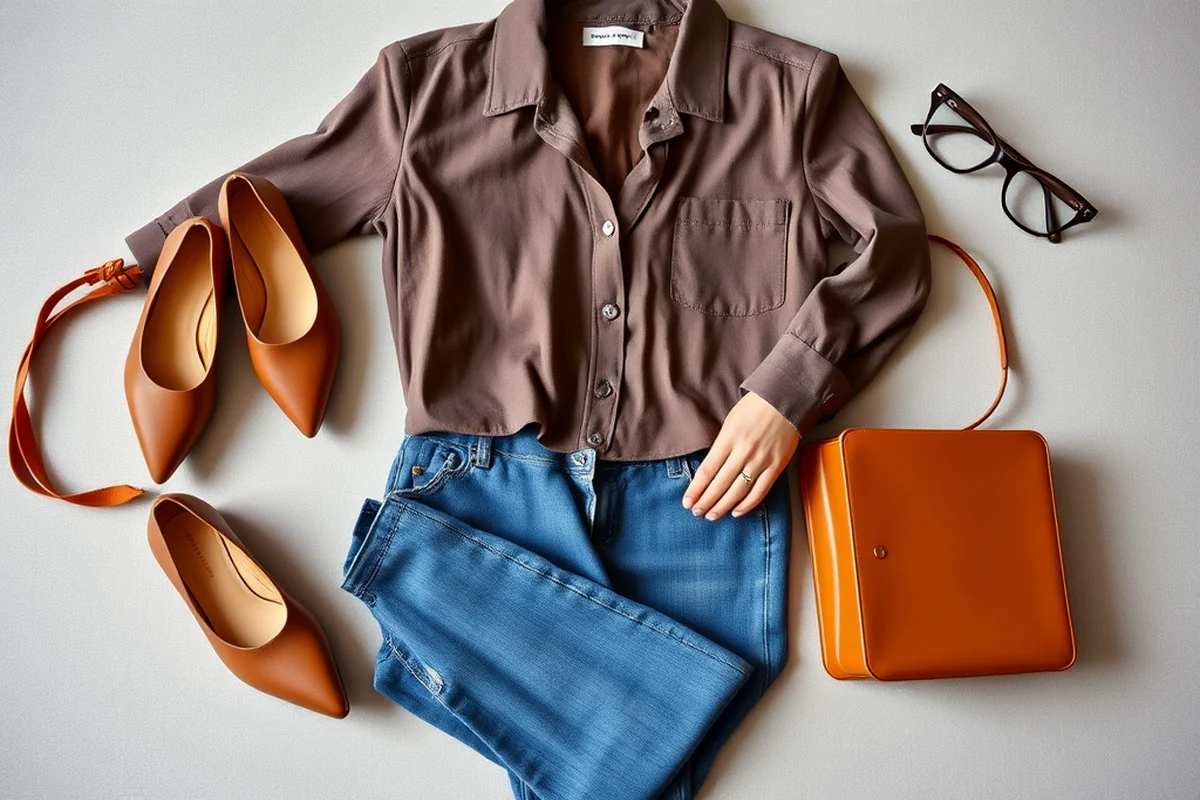
I remember the first time I tried to find a dress that fit me properly — a petite woman in a world designed for taller bodies. I walked into a store, pulled out a few items, and was met with confusion. The salesperson asked, 'Are you sure you want that size?' and I felt the sting of being overlooked. It was then that I realized the fashion industry was missing something crucial: DIY fashion for petite women. It’s not just about finding clothes that work; it’s about taking control and crafting something that fits perfectly.
Over the years, I’ve learned that the best way to tailor clothing to your body is to do it yourself. DIY fashion for petite women isn’t just a trend — it’s a necessity. When I took a sewing class, I quickly discovered that adjusting a dress’s hemline by 4 inches could make all the difference. That small change transformed a standard piece into something that flattered my frame, and it gave me the confidence to experiment further.
Now, I make it a point to tailor every piece of clothing I wear. Whether it’s altering a jacket to fit my shoulders or shortening a pair of pants by 3 inches, the results are always worth it. DIY fashion for petite women is empowering, and it’s a skill I recommend to anyone who wants to feel more confident in their own skin.[1]
Why You'll Love This DIY Approach to Fashion
- You’ll save money by avoiding costly alterations from stores.
- You’ll have control over every detail of your wardrobe.
- You’ll be able to customize pieces to fit your unique measurements perfectly.
- You’ll feel more confident and in control of your style.
Why Tailoring is Essential for Petite Women
As of August 2026, many off-the-rack clothes are designed with a standard 5'8" frame in mind. For petite women, that can mean sleeves that fall below the wrist, hemlines that hit mid-calf, and necklines that feel too long. I’ve found that altering the hem of a dress by 3 inches and shortening the sleeves by 1.5 inches can make a world of difference. These small changes create a more proportional look that flatters your body.
Tailoring also ensures that your clothes sit correctly on your body. For example, a pair of jeans that are too long can look bulky and unflattering. When I took a pair of jeans to a tailor and had them shortened by 4 inches, the difference was dramatic — they now fit like they were made for me. This kind of customization is essential for petite women who often feel overlooked in the fashion industry.
I’ve learned that tailoring is not just about aesthetics; it’s about comfort. When I had a blazer tailored to fit my shoulders and waist, I felt more confident and comfortable in it. It’s a small investment that yields big results.
Before making any alterations, use a measuring tape to take precise measurements of your body. This will help you determine how much fabric needs to be taken in or let out. I always measure twice to avoid mistakes.
Part of our Tall petite styling guide.
How to Choose the Right Fabric for Alterations
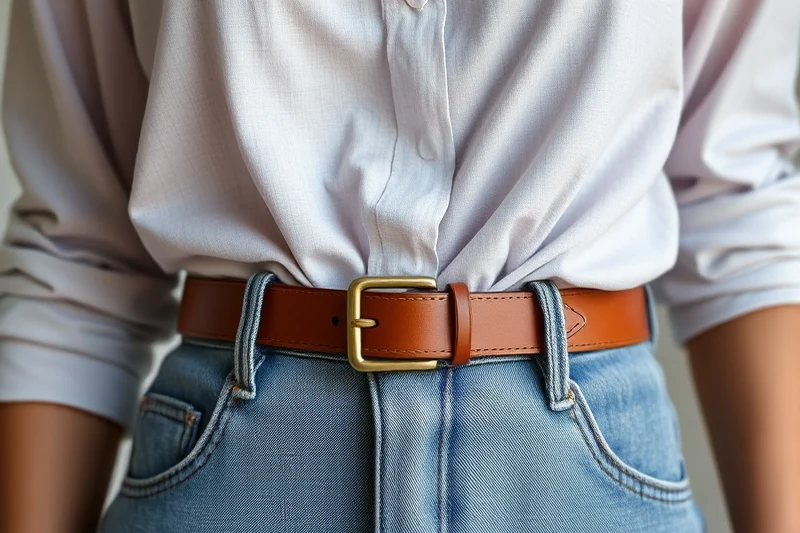
Not all fabrics are created equal with tailoring. For petite women, I recommend using fabrics that are lightweight and easy to manipulate, such as cotton, linen, or rayon. These materials are forgiving and can be adjusted without tearing or puckering. I’ve found that using a higher-quality fabric, even if it’s a bit more expensive, can make a big difference in the final result.[2]
When I first started tailoring, I used a cheap polyester fabric for a dress, and it didn’t go well. The fabric was stiff and didn’t drape well, making the dress look bulky. Since then, I’ve learned to invest in quality fabrics. My favorite is a 100% cotton blend that drapes beautifully and is easy to work with.[3]
I always make sure to check the care instructions for the fabric I choose. Some fabrics require special care, like dry cleaning, which can add to the cost. For DIY fashion for petite women, I prefer to use fabrics that are easy to care for and won’t shrink or stretch out of shape after washing.
Choose the right fabric and your DIY project will look and feel like it was made just for you.
Related: Affordable fashion for tall plus size women
Related: Minimalist tall dressers
Related: Fashion For Petite Women At Home
Related: Cheap style for petite women
Related: Modern tall petite styling
Related: Fashion For Petite Women Near Me
Related: Short Hairstyles For Older Women
Related: What Is Petite Fashion
Related: Hairstyles For Petite Women Comparison
Sewing Tips for Petite Women
Sewing tailored pieces for petite women requires attention to detail and the right tools. I always use a sharp pair of scissors and a good-quality needle to ensure clean cuts and even stitches. I’ve found that using a walking foot on my sewing machine helps to prevent puckering and ensures even seams.
When I’m working on a small alteration, like shortening a dress or adjusting the neckline, I use a seam gauge to measure the fabric accurately. This tool has helped me avoid mistakes and achieve a professional finish. I’ve also learned to press my seams as I go, which helps the fabric lay flat and look more polished.
I recommend practicing on scraps of fabric before working on your actual garment. This helps you get a feel for the fabric and the techniques you’ll be using. Over time, you’ll become more confident in your sewing skills and be able to tackle more complex alterations.[4]
A seam gauge is an invaluable tool for tailoring. It helps you measure fabric accurately and ensures that your alterations are evenly spaced. I always keep mine on my sewing table for easy access.
“I remember the first time I tried to find a dress that fit me properly — a petite woman in a world designed for taller…”— Mixedframe editors
Related: Affordable Fashion For Petite Women
Related: Small Hairstyles For Petite Women
The Power of Upcycling for Petite Women
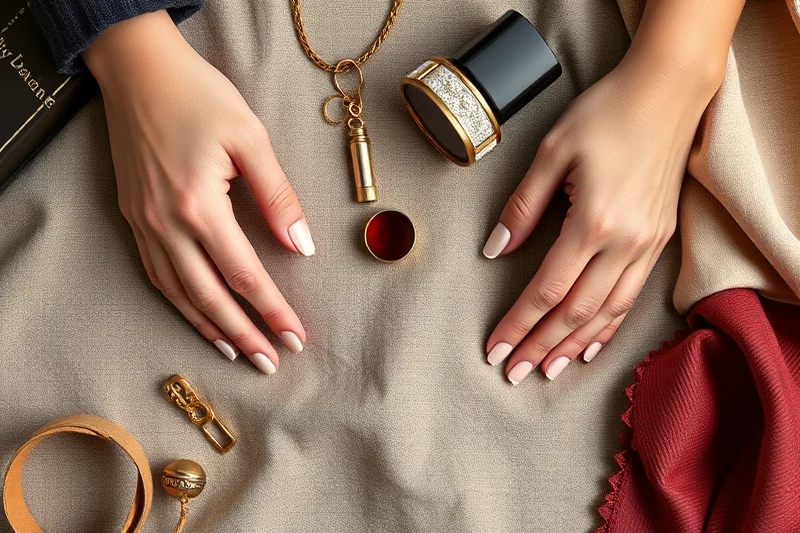
Upcycling allows petite women to repurpose old clothes into new, custom pieces that fit perfectly. I love upcycling because it gives me the opportunity to be creative and make something unique. For example, I once turned an oversized shirt into a cropped top by shortening the sleeves and hemline. The result was a stylish piece that flattered my frame perfectly.
Upcycling is also a great way to reduce waste and give new life to old clothes. I’ve found that many vintage pieces are already tailored for petite frames, making them a great option for upcycling. When I upcycled a vintage dress, I was able to create a one-of-a-kind piece that fit me perfectly and had a unique style.
For petite women who are new to upcycling, I recommend starting with simple projects, like shortening a pair of jeans or turning a long shirt into a crop top. These projects are quick and can be completed in under an hour. Once you gain confidence, you can move on to more complex upcycling projects.[5]
Related: What Is Petite Clothing For Women
How to Build a Custom Wardrobe for Petite Women
Building a custom wardrobe for petite women starts with identifying your personal style and the types of clothes that make you feel confident. I always begin by taking stock of the clothes I already own and noting which pieces need alterations or could be upcycled. This helps me avoid buying new clothes that may not fit me well.
Once I’ve identified the pieces I want to work with, I start by tailoring them to fit my frame. I’ve found that having a few key pieces, like a well-fitted blazer, a pair of tailored trousers, and a few versatile dresses, can form the foundation of a custom wardrobe. These pieces can be mixed and matched to create a variety of outfits.
I also make it a point to invest in quality fabrics and tools that will help me create pieces that last. Over time, building a custom wardrobe becomes a rewarding process that allows me to express my style while ensuring that every piece fits perfectly.
⭐ Classic
A timeless approach to tailoring that focuses on simplicity and precision.
💰 Budget
Use affordable materials and tools to create custom pieces without breaking the bank.
⚡ Extra-Fast
Quick alterations and adjustments that can be completed in under 30 minutes.
✨ Depth
Explore more complex tailoring techniques and create unique, custom pieces.
🥗 Light
Focus on lightweight fabrics and simple alterations that are easy to manage.
| The mistake | Why it happens | The fix |
|---|---|---|
| Cutting the fabric too short. | Cutting the fabric too short can result in a piece that’s too tight or doesn’t fit properly. | Always measure twice and make sure to leave extra fabric for adjustments. |
| Using the wrong type of thread. | Using thread that’s too thick or too thin can cause the fabric to tear or pucker. | Choose thread that matches the fabric type and weight. For cotton, use a cotton thread. |
| Ignoring the care instructions for the fabric. | Ignoring the care instructions can lead to shrinking, stretching, or damage to the fabric. | |
| Not pressing the seams properly. | Not pressing the seams can result in a wrinkled or puckered look that detracts from the overall appearance. | Press the seams as you go using an iron to ensure a polished, professional finish. |
What You'll Need tap to check off
- 1 piece fabric scrap (for practice)
- 1 yard fabric (for your project)
- sewing machine or needle and thread
- 1 pair sharp scissors
- 1 unit seam gauge
Method tap a step when done
- Gather all your materials, including the fabric, sewing tools, and any measurements you’ve taken.
- Use a seam gauge to measure the fabric and mark where you need to cut or alter it.
- Use sharp scissors to make precise cuts along the marked lines.
- Sew the fabric together using a sewing machine or by hand, ensuring that the seams are even.
- Press the seams with an iron to create a polished look.
- Try on the piece to make sure it fits correctly. Make any final adjustments as needed.
Key Facts
Diy Fashion For Petite Women
Common Questions
Can I tailor clothes without any sewing experience?
What are the best fabrics for tailoring?
How much does it cost to tailor clothes?
What tools do I need for tailoring?
References
- Models - U.S. Bureau of Labor Statistics (bls.gov)
- My Big Idea: Style Tips (and Curated Garments) for the Modern Petite Woman (bu.edu)
- 1970-1979 - Fashion History Timeline (fashionhistory.fitnyc.edu)
- Fashion - American Women: Resources from the General Collections ... (guides.loc.gov)
- Q&A: Petite fashion blogger chats about shopping secondhand, finding ... (news.medill.northwestern.edu)
Cite this guide
Mixedframe (2026). Diy Fashion For Petite Women. https://mixedframe.com/diy-fashion-for-petite-women/
Feel free to cite or share this guide.